Hey there, fellow logistics enthusiasts and future supply chain gurus! Have you ever felt like you’re playing a high-stakes game of chess, but instead of rooks and knights, you’re moving containers, managing inventory, and coordinating countless moving parts across the globe?
I know that feeling all too well. From my own journey, I’ve learned that as a logistics manager, it’s not just about getting goods from A to B; it’s about orchestrating a finely tuned symphony of processes that touch everything from procurement to last-mile delivery, all while keeping an eagle eye on costs and customer satisfaction.
The world of logistics is constantly evolving, isn’t it? With the explosion of e-commerce driving demand for faster, more reliable delivery, unexpected global disruptions (who saw *that* coming, right?), and the accelerating pace of technological innovation like AI-driven forecasting and robotic automation, understanding the core logistics process isn’t just helpful – it’s absolutely crucial for staying competitive and, let’s be honest, sane!
I’ve personally navigated some pretty tricky waters, dealing with everything from fluctuating freight rates to the increasing complexity of global networks, and what always pulled us through was a solid, adaptable grasp of our operational flow.
Imagine being able to predict potential bottlenecks before they even appear, or optimizing your warehousing strategy to save thousands and enhance customer loyalty.
That’s the kind of impactful change we’re talking about! It’s about building a resilient, efficient, and agile supply chain that can truly weather any storm, incorporating sustainable practices like electric vehicles and eco-friendly packaging to meet growing demands for environmental responsibility.
So, if you’re ready to transform your understanding and elevate your game, trust me, you’re in the right place. I’m excited to share some insights that I’ve gathered over the years – the kind that truly make a difference in real-world scenarios.
Let’s dive deep into understanding logistics processes and unlock their full potential!
The Foundation: Procurement and Supply Management

When I first dipped my toes into logistics, I quickly realized that everything hinges on what you bring in. It’s not just about placing orders; it’s about building the very bedrock of your entire supply chain.
Trust me, I’ve seen companies struggle immensely because they underestimated the power of smart procurement. Think about it: if you’re not getting the right materials, at the right price, from reliable sources, then every subsequent step, from manufacturing to delivery, is already playing catch-up.
It’s like trying to build a skyscraper on a shaky foundation – it’s just not going to stand. We’ve all been there, scrambling to find an alternative supplier when a crucial shipment is delayed, right?
It’s stressful, costly, and completely avoidable with a solid procurement strategy. This is where you truly start shaping your operational efficiency and setting yourself up for success.
I’ve learned firsthand that investing time here pays dividends down the line.
Strategic Sourcing: More Than Just Buying Stuff
Honestly, strategic sourcing feels a lot like being a detective. It’s about digging deep to find the absolute best suppliers who not only offer competitive pricing but also align with your quality standards, ethical guidelines, and long-term business goals.
It’s not just about the cheapest bid; it’s about value, reliability, and partnership. I’ve always found that the relationships you build here can be lifesavers when unexpected challenges pop up.
Are they flexible? Do they communicate well? Can they scale with you?
These are the questions that truly matter. It’s about creating a diversified portfolio of suppliers so you’re never left high and dry if one link in your chain falters.
- Identifying potential suppliers based on specific criteria like quality, cost, and delivery capabilities.
- Evaluating supplier performance regularly to ensure consistent standards and identify areas for improvement.
- Negotiating contracts that benefit both parties, ensuring fair pricing and reliable service.
Vendor Relationships and Risk Mitigation
Building strong, collaborative relationships with your vendors is an absolute game-changer, in my opinion. It’s not a transactional handshake; it’s a genuine partnership.
I’ve personally experienced how open communication and mutual trust with key suppliers can literally save a project from disaster. When you foster these bonds, suppliers are more likely to go the extra mile for you, offer insights into market trends, and even provide preferential treatment during tight supply periods.
On the flip side, ignoring risk mitigation in this area is like walking a tightrope without a safety net. What if a key supplier faces bankruptcy or a natural disaster hits their operations?
Having contingency plans, secondary suppliers, and robust contract clauses are essential. It’s about anticipating potential disruptions and having strategies in place to pivot quickly and minimize impact.
Mastering the Flow: Inventory and Warehousing Strategies
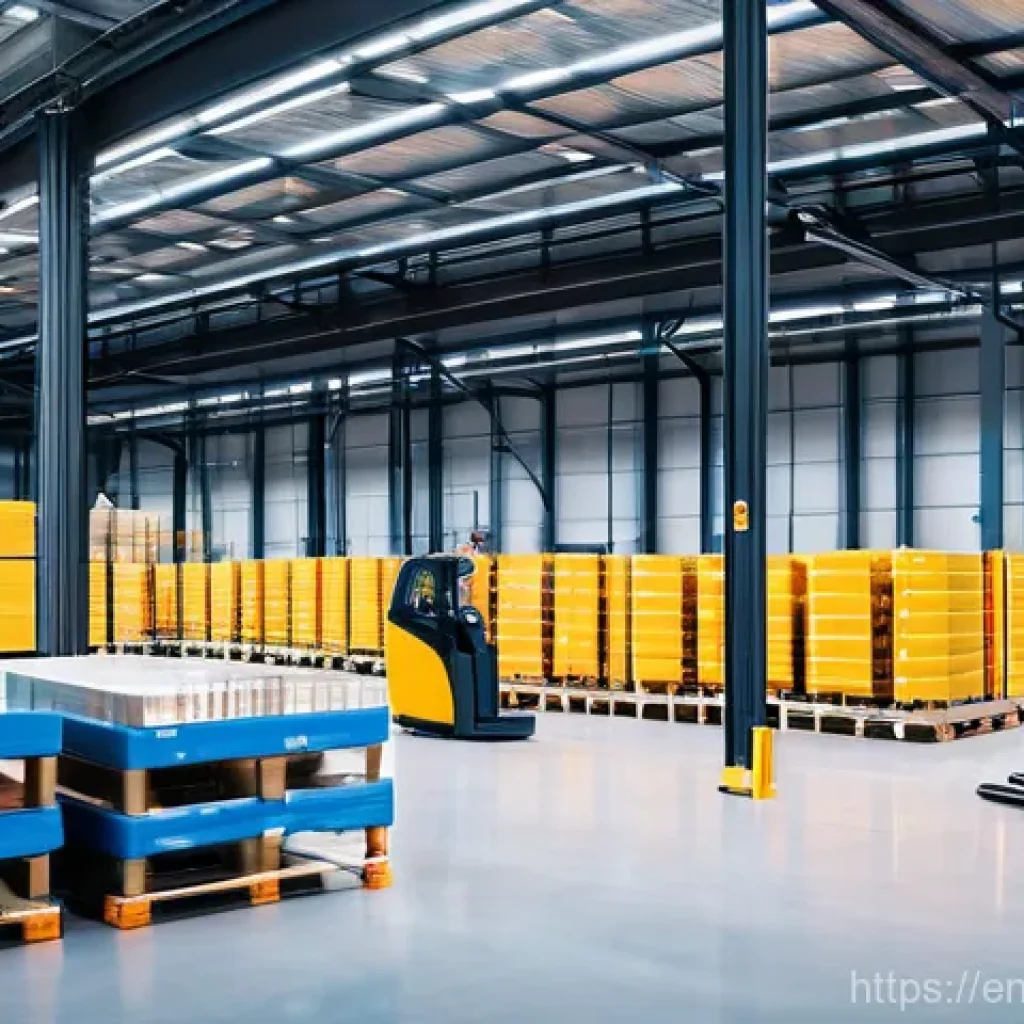
If procurement is the foundation, then inventory and warehousing are the beating heart of your logistics operations. For years, I’ve preached that getting this right is less about magic and more about meticulous planning and constant optimization.
Imagine a finely tuned orchestra where every instrument knows its part; that’s what a perfectly managed warehouse feels like. Conversely, a chaotic warehouse is a nightmare I wouldn’t wish on my worst enemy – misplaced goods, endless searching, and frustrated customers.
I’ve walked into facilities that were literally hemorrhaging money due to inefficient layouts or outdated inventory practices. It’s a delicate balance: you want enough stock to meet demand, but not so much that you’re tying up capital and incurring exorbitant holding costs.
The sweet spot, that “Goldilocks zone,” is what we’re always striving for.
Optimizing Inventory Levels: The Goldilocks Zone
Finding that “just right” amount of inventory is an incredibly tricky dance, but oh-so-rewarding when you get it right. Too much, and your capital is gathering dust on shelves, not to mention the increased risk of obsolescence or damage.
Too little, and you’re staring down the barrel of stockouts, unhappy customers, and lost sales – a situation no one wants to be in. I’ve personally seen companies swing wildly between these extremes, often reacting to immediate pressures rather than implementing a strategic approach.
It’s about using demand forecasting (and let me tell you, data is your best friend here!) to predict what your customers *actually* want, and when. This allows you to carry optimal stock levels, reducing carrying costs while simultaneously ensuring product availability.
- Implementing Just-In-Time (JIT) strategies where feasible to minimize inventory holding.
- Utilizing ABC analysis to categorize inventory and focus management efforts on high-value items.
- Regularly auditing inventory to identify discrepancies and improve accuracy.
Warehouse Wizardry: Layout and Automation
Stepping into an optimized warehouse is like watching a perfectly choreographed ballet. Every aisle, every shelf, every movement serves a purpose, minimizing wasted time and effort.
I’ve been fortunate enough to contribute to the redesign of several warehouses, and the impact of a smart layout – one that considers product flow, order picking efficiency, and storage density – is truly transformative.
It’s not just about cramming as much stuff in as possible; it’s about smart storage and easy retrieval. And then there’s automation! Oh, how far we’ve come.
From automated guided vehicles (AGVs) zipping around to robotic picking systems, these technologies are revolutionizing how fast and accurately we can process orders.
It’s not about replacing people entirely, but about empowering them to focus on higher-value tasks while the robots handle the repetitive grunt work.
Picking and Packing Perfection
This is where the rubber meets the road, where the theoretical planning translates into tangible output. Efficient picking and packing directly impact your delivery speed and customer satisfaction.
I remember a particularly stressful period early in my career where our picking errors were through the roof, leading to a cascade of returns and complaints.
It taught me a valuable lesson: the process here needs to be foolproof. Whether it’s wave picking, zone picking, or batch picking, choosing the right method for your operation is crucial.
And then there’s the packing itself – ensuring items are securely packaged to prevent damage, but also doing it quickly and cost-effectively. Sustainable packaging solutions are also becoming increasingly vital, balancing protection with environmental responsibility.
On the Move: Transportation and Distribution Dynamics
Ah, transportation – the part of logistics that everyone sees! It’s the dynamic, often unpredictable, segment that carries your goods from one point to another, often across vast distances.
I’ve personally spent countless hours agonizing over optimal routes, battling fluctuating fuel prices, and dealing with unexpected delays that can throw even the best-laid plans into disarray.
It’s not just about putting a package on a truck; it’s about a complex dance of timing, cost, and reliability. This is where real money can be saved or lost, and where customer satisfaction can soar or plummet based on whether that delivery arrives on time and intact.
Choosing Your Ride: Modes of Transport
Deciding how to move your goods is a critical strategic decision that impacts everything from cost to delivery speed and even your environmental footprint.
I’ve worked with businesses that use a mix of everything, and each mode has its own unique strengths and weaknesses. It’s like choosing the right tool for the job.
Do you need speed and are willing to pay a premium? Air freight might be your answer. Is cost efficiency paramount, and time isn’t as critical?
Ocean freight or rail could be the way to go. For shorter distances and flexibility, trucking remains king, especially for last-mile delivery. The key is to understand your cargo, your budget, and your customer’s expectations, then select the optimal mix.
| Transportation Mode | Typical Speed | Cost Efficiency | Environmental Impact | Best For |
|---|---|---|---|---|
| Air Freight | Very Fast | High | High | High-value, time-sensitive, small volume goods |
| Ocean Freight | Slow | Very Low | Low | Bulk goods, large volumes, non-urgent shipments |
| Rail Freight | Moderate | Low | Moderate | Heavy, bulky goods over long land distances |
| Trucking (Road) | Moderate to Fast | Moderate | High | Flexible, door-to-door, varied cargo sizes, regional distribution |
Route Optimization: Smarter, Faster, Cheaper
Route optimization is a personal obsession of mine, mostly because I’ve seen the incredible impact it can have on a bottom line. Simply put, it’s about finding the most efficient path for your vehicles to take, minimizing fuel consumption, driver hours, and delivery times.
It sounds simple, right? Just find the shortest path? But with multiple stops, time windows, vehicle capacities, and traffic conditions, it quickly becomes a complex puzzle.
I remember one project where we implemented new route optimization software, and the fuel savings alone paid for the system within months. Beyond cost, it significantly reduces wear and tear on vehicles and allows drivers to complete more deliveries in a shorter timeframe, boosting overall productivity.
It’s a win-win-win!
The Digital Edge: Leveraging Technology in Logistics
If there’s one thing that truly excites me about the future of logistics, it’s the relentless march of technology. We’re living in an era where digital tools are not just improving processes; they’re completely reinventing them.
From my vantage point, embracing these innovations isn’t just a nice-to-have; it’s absolutely essential for anyone looking to stay competitive. I’ve personally witnessed how a well-implemented tech solution can transform a sluggish, error-prone operation into a lean, mean, logistics machine.
It’s about working smarter, not just harder, and letting intelligent systems handle the heavy analytical lifting. The sheer volume of data we now have access to is a goldmine, and technology is our shovel.
AI and Machine Learning: Predictive Powerhouses
Artificial intelligence and machine learning are no longer futuristic concepts; they are here, and they are revolutionizing logistics. I’ve seen firsthand how AI-driven demand forecasting can predict inventory needs with uncanny accuracy, reducing both stockouts and excess inventory.
It’s like having a crystal ball, but one that’s powered by vast amounts of historical data and complex algorithms. Machine learning algorithms are also optimizing routes in real-time, adjusting for traffic, weather, and unexpected delays on the fly.
This means fewer late deliveries and happier customers. These tools help us identify patterns and make data-backed decisions that were simply impossible just a few years ago.
It’s incredibly exciting to see the impact.
- Enhanced demand forecasting for more accurate inventory management.
- Real-time route optimization considering dynamic factors like traffic and weather.
- Predictive maintenance for vehicles and equipment, reducing downtime.
IoT and Blockchain: Transparency and Tracking
The Internet of Things (IoT) is a game-changer for visibility. Imagine sensors on every package, every truck, every container, providing real-time data on location, temperature, humidity, and even shock.
I’ve utilized IoT devices to monitor sensitive shipments, ensuring product integrity from origin to destination. The ability to track conditions throughout the journey provides an unparalleled level of transparency and accountability.
And then there’s blockchain! While still evolving, its potential for creating immutable, transparent records across the supply chain is immense. It can verify product authenticity, track origins, and streamline customs processes, reducing fraud and increasing trust among all parties.
For me, these technologies mean fewer headaches and more reliable operations.
The Human Element: Building a Stellar Logistics Team

While technology is undoubtedly transforming logistics, let’s be real: it’s the people who make it all happen. No algorithm, no robotic arm, no advanced software can fully replace the critical thinking, problem-solving, and sheer grit of a dedicated human team.
I’ve always believed that investing in your people is the single best investment you can make in your logistics operation. From warehouse associates to truck drivers, from procurement specialists to supply chain analysts, every role is vital.
A motivated, well-trained team is resilient, innovative, and capable of navigating the inevitable curveballs the logistics world throws our way. I’ve personally seen teams rally together to overcome seemingly insurmountable challenges, and that spirit is something tech can only support, never replace.
Cultivating Talent: Training and Development
The logistics landscape is constantly shifting, which means continuous learning isn’t just a buzzword; it’s a necessity. I’ve always prioritized robust training and development programs because I know that equipping my team with the latest skills makes them more confident, more efficient, and more engaged.
This isn’t just about initial onboarding; it’s about ongoing professional development, whether it’s learning new software, understanding emerging compliance regulations, or mastering new equipment.
When you empower your team with knowledge, you empower your entire operation. It also fosters a sense of loyalty and shows them you’re invested in their growth, which is huge for retention.
- Providing regular training on new technologies and software systems.
- Offering certifications and continuing education opportunities in supply chain management.
- Implementing mentorship programs to share institutional knowledge and foster leadership.
Communication is Key: Silo Busting
I can’t stress this enough: communication is the glue that holds a logistics operation together. I’ve seen too many instances where breakdowns occurred simply because different departments weren’t talking to each other.
The procurement team needs to know what inventory is moving out, the warehouse needs updates from transportation, and customer service needs real-time tracking information.
Silos are the enemy of efficiency! Establishing clear communication channels, regular cross-functional meetings, and using collaborative platforms can drastically improve operational flow.
When everyone is on the same page, understanding the bigger picture and their role within it, problems get solved faster, and proactive measures become the norm.
It’s about creating a culture where information flows freely and everyone feels heard.
Customer Connection: Last-Mile Delivery and Reverse Logistics
In today’s e-commerce driven world, the “last mile” isn’t just a small segment of the journey; it’s arguably the *most* important. It’s the moment of truth, where all the planning, optimizing, and orchestrating culminates in that final interaction with the customer.
I’ve learned that a perfect supply chain can be undone by a botched last-mile delivery, leaving a lasting negative impression. Conversely, a smooth, efficient, and even delightful last-mile experience can build incredible brand loyalty.
And let’s not forget reverse logistics – the often-overlooked but equally critical process of handling returns. Get this wrong, and you’re not just losing a sale; you’re losing a customer for good.
Delighting Customers: The Final Frontier
The last mile is more than just getting the package to the door; it’s about the entire customer experience. From providing accurate tracking information and flexible delivery options to having friendly, professional drivers, every detail matters.
I’ve personally implemented systems that offer customers real-time updates and even the ability to communicate directly with their delivery driver, and the positive feedback was overwhelming.
It reduces anxiety and builds trust. The expectation for fast, free, and flawless delivery is higher than ever, and meeting that expectation requires innovative solutions, whether it’s using local micro-fulfillment centers, leveraging gig-economy drivers during peak times, or even exploring drone deliveries in certain areas.
It’s about making that final interaction as seamless and positive as possible.
Seamless Returns: Turning a Chore into a Chance
Let’s be honest, nobody *loves* dealing with returns, but in retail, they’re an unavoidable part of the game. However, I’ve found that how you handle reverse logistics can actually be a huge opportunity to build customer loyalty.
A difficult, confusing, or slow returns process is a surefire way to alienate customers. On the other hand, a hassle-free, efficient returns system can turn a potentially negative experience into a positive one.
It shows you stand behind your products and value your customers. This involves clear return policies, easy-to-use return portals, and efficient processes for inspecting, restocking, or disposing of returned items.
It’s about turning a necessary chore into another touchpoint for excellent customer service and even reclaiming value from returned goods.
Navigating the Global Maze: International Logistics and Compliance
For any business expanding beyond its borders, international logistics becomes a whole new ballgame. It’s like regular logistics, but with about ten extra layers of complexity, bureaucracy, and potential pitfalls.
I’ve had my share of hair-pulling moments dealing with customs delays, unexpected tariffs, and ever-changing global regulations. But here’s the thing: the global market offers incredible opportunities, and mastering international logistics is the key to unlocking them.
It requires a specialized skillset and a keen eye for detail, understanding that what works domestically might completely fail on the international stage.
Customs and Regulations: Crossing Borders Seamlessly
This is where the rubber meets the road when it comes to international shipping, and believe me, it can be a bumpy ride if you’re not prepared. Each country has its own set of customs duties, taxes, import/export restrictions, and documentation requirements, and they can change at the drop of a hat.
I’ve seen shipments held up for weeks, sometimes months, simply because a single form was filled out incorrectly or a specific license was missing. Partnering with experienced customs brokers and freight forwarders who specialize in international trade is not just helpful; it’s absolutely essential.
They can navigate the intricate web of regulations, ensuring compliance and minimizing costly delays. It’s about doing your homework and having the right experts in your corner.
- Ensuring accurate tariff classification for all goods to avoid penalties.
- Staying updated on Free Trade Agreements (FTAs) to optimize duties and taxes.
- Preparing all necessary documentation meticulously, including commercial invoices, packing lists, and certificates of origin.
Global Risk Management: Expect the Unexpected
Operating on a global scale means you’re exposed to a whole new spectrum of risks, far beyond what you’d typically encounter domestically. Geopolitical tensions, natural disasters, currency fluctuations, piracy, and even global pandemics – who could have predicted some of the disruptions we’ve seen recently, right?
I’ve personally been through situations where entire shipping lanes were blocked or production facilities were shut down overseas, forcing us to pivot our entire strategy overnight.
This is why a robust global risk management strategy isn’t just good practice; it’s a non-negotiable. It involves diversifying your supply base, securing adequate cargo insurance, having contingency routes, and continuously monitoring global events that could impact your supply chain.
It’s about building resilience into your international operations so you can weather any storm.
Wrapping Things Up
Whew! We’ve journeyed through quite a landscape, haven’t we? From the foundational intricacies of procurement to the dynamic world of last-mile delivery and the global maze of international logistics, it’s clear that managing a supply chain is far from a static desk job. It’s a living, breathing ecosystem that constantly demands our attention, adaptability, and ingenuity. I’ve poured years into understanding these moving parts, and what I’ve consistently learned is that success isn’t just about optimizing one segment; it’s about seeing the whole picture and ensuring every component works in harmony. It’s a challenging field, no doubt, but incredibly rewarding when you see goods flowing smoothly, customers happy, and operations running like a well-oiled machine. Keep learning, keep adapting, and most importantly, keep your focus on delivering value at every turn. That’s the secret sauce, in my book.
Handy Tips and Further Insights
Here are some nuggets of wisdom I’ve picked up over the years that I genuinely believe can make a significant difference in your logistics journey. These aren’t just theoretical concepts; they’re strategies that have personally helped me navigate some tricky situations and achieve better outcomes. Trust me, incorporating these into your approach can save you a lot of headaches and boost your efficiency significantly.
1. Embrace Data Analytics Relentlessly: You’ve heard it before, but it bears repeating: data is your ultimate superpower in logistics. I’ve seen organizations completely transform by moving away from gut feelings and truly leaning into predictive analytics for demand forecasting, inventory optimization, and route planning. Start small, gather clean data, and let the numbers guide your decisions. It feels like having a logistics crystal ball, only it’s backed by cold, hard facts.
2. Nurture Vendor Relationships Like Gold: It’s easy to view suppliers as just another transaction, but I can’t stress enough how much a strong, collaborative partnership can benefit you. I’ve had situations where a key supplier went above and beyond during a crisis simply because we had built a foundation of trust and mutual respect over the years. Treat them as extensions of your team, and they’ll often go the extra mile for you.
3. Prioritize Your People, Always: Technology is incredible, yes, but your team is your true backbone. I’ve always made it a point to invest in training, development, and creating a positive work environment. A motivated, skilled, and engaged team will solve problems you didn’t even know existed, adapt to changes, and deliver exceptional results when it matters most. Their well-being directly impacts your bottom line.
4. Think End-to-End, Not in Silos: The biggest efficiency gains often come from breaking down departmental silos. I’ve found that when procurement, warehousing, transportation, and customer service teams truly communicate and understand each other’s challenges, bottlenecks disappear, and processes become infinitely smoother. Foster cross-functional understanding; it’s a game-changer for overall flow and problem-solving.
5. Customer Experience is Your North Star: In today’s competitive landscape, logistics isn’t just about moving goods; it’s about delighting customers. Every decision, from packaging choices to delivery notifications, should be viewed through the lens of how it impacts their experience. I’ve personally focused on enhancing our last-mile communication, and the positive feedback and increased loyalty were absolutely astounding. It truly is the ultimate differentiator.
Key Considerations
Reflecting on everything we’ve covered, it’s clear that the world of logistics is a dynamic blend of strategic planning, technological innovation, and crucial human expertise. My journey has shown me that mastering these elements is not a one-time achievement but a continuous pursuit of improvement and adaptation. We’ve explored how a robust procurement strategy builds the foundation, how optimized inventory and warehousing keep the heart of operations pumping efficiently, and how smart transportation ensures goods move swiftly and economically. The integration of cutting-edge technology, from AI-driven analytics to IoT tracking, isn’t just a trend; it’s an imperative for staying competitive and responsive in an ever-changing market. Moreover, the unwavering focus on cultivating a skilled and communicative team, alongside a deep commitment to an exceptional customer experience, ultimately defines success. It’s about resilience, foresight, and a relentless drive to refine every part of the journey, ensuring that your supply chain isn’t just a cost center but a powerful engine for growth and customer satisfaction.
Frequently Asked Questions (FAQ) 📖
Q: What exactly are the core logistics processes that every manager needs to master to truly succeed in today’s unpredictable world?
A: Oh, this is such a critical question, and frankly, it’s where the rubber meets the road! From my own journey through countless supply chain challenges, I’ve come to understand that mastering the core logistics processes isn’t just about theory; it’s about practical application and knowing how each piece of the puzzle fits.
At its heart, you’re looking at five main pillars. First, there’s procurement, which isn’t just buying stuff, but strategically sourcing materials to ensure quality, cost-effectiveness, and reliability right from the start.
Trust me, a good deal upfront can save you headaches later! Then, we move into inventory management, which for me has always felt like a delicate dance – too much inventory, and you’re drowning in costs; too little, and you’re missing sales and upsetting customers.
It’s about finding that sweet spot. Next up is warehousing, which isn’t just a big building, but a dynamic hub where goods are received, stored, and prepared for dispatch.
Optimizing this space can be a game-changer! After that, we get to transportation, which, let’s be honest, is what most people think of when they hear “logistics.” It’s about efficiently moving goods across the globe, whether by road, rail, air, or sea, considering speed, cost, and reliability.
And finally, the ever-important last-mile delivery – the point where your product finally reaches the customer. This last leg is where customer satisfaction is often won or lost, and it’s an area where I’ve personally seen huge improvements with thoughtful planning and technology.
Mastering these interconnected processes gives you the foundation to build an agile, resilient, and truly efficient supply chain that can truly weather any storm.
Q: With all the constant changes, like the e-commerce boom and global disruptions, how can logistics managers effectively stay competitive and, let’s be honest, sane, in such an evolving landscape?
A: You’ve hit on one of the biggest challenges we face today, haven’t you? It really does feel like a high-stakes game sometimes! I’ve personally navigated some pretty tricky waters, dealing with everything from fluctuating freight rates to unexpected global events that threw all our plans out the window.
What I’ve learned, and what always pulled us through, is a combination of adaptability, leveraging technology wisely, and a relentless focus on resilience.
First, embrace agility! The days of rigid, unchanging plans are long gone. You need to build flexibility into your operations so you can pivot quickly when disruptions hit.
This means having backup suppliers, alternative routes, and a workforce that can adapt. Second, don’t shy away from technology. AI-driven forecasting has been a game-changer for me, helping to predict demand more accurately and identify potential bottlenecks before they even appear.
Robotic automation in warehouses? Absolutely transformative for efficiency. But it’s not just about implementing new tech; it’s about integrating it smartly into your existing processes to create a seamless flow.
Third, and perhaps most importantly for sanity, foster a culture of continuous learning. The world of logistics isn’t static, so neither should our knowledge be.
Staying updated on market trends, new regulations, and emerging technologies isn’t just a chore; it’s an absolute necessity to stay ahead and keep your competitive edge.
When you build a strong, adaptable team that’s ready for anything, you truly unlock the power to thrive, not just survive, in this dynamic environment.
Q: Beyond just moving goods efficiently, what tangible benefits can a business really expect from truly optimizing its logistics processes, especially when we start thinking about sustainability?
A: This is where the magic happens, my friend! It’s one thing to move goods from A to B, but it’s an entirely different, and much more rewarding, game to do it optimally.
From my experience, the benefits ripple out across the entire business, often in ways you might not initially expect. First and foremost, you’re looking at significant cost savings.
By streamlining routes, optimizing inventory levels, and improving warehouse efficiency, you cut down on fuel costs, storage fees, and labor expenses.
I’ve personally seen companies save thousands, even millions, by just fine-tuning these areas. But it’s not just about the bottom line. You also dramatically enhance customer satisfaction.
Think about it: faster, more reliable deliveries, fewer errors, and proactive communication. That builds loyalty, and happy customers are repeat customers, right?
Then there’s the boost in overall operational efficiency and reduced lead times, which means you can respond to market demands much quicker than your competitors.
Now, let’s talk about sustainability, because that’s becoming non-negotiable. When you optimize logistics, you naturally lean towards more sustainable practices.
Using electric vehicles for last-mile delivery, adopting eco-friendly packaging, or even just optimizing truckloads to reduce empty miles – these aren’t just good for the planet; they’re increasingly good for your brand image and appeal to a growing segment of environmentally conscious consumers.
It’s about building a reputation as a responsible and forward-thinking company. So, optimizing your logistics isn’t just a nice-to-have; it’s a strategic imperative that drives financial performance, customer loyalty, and a positive brand image, setting you up for long-term success.