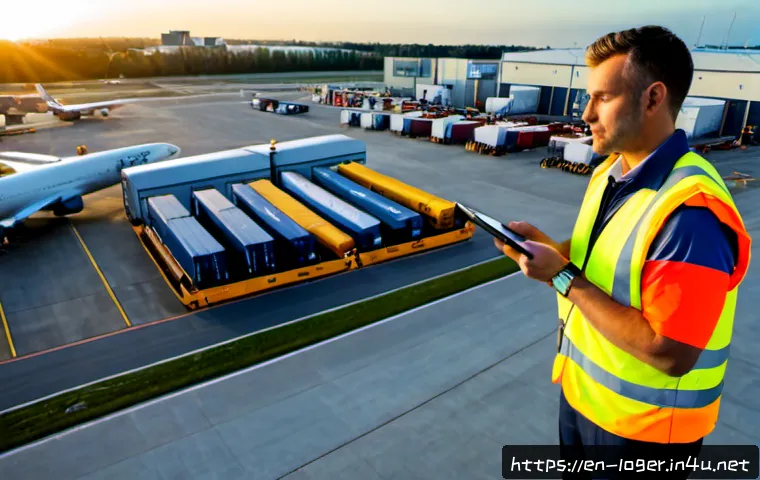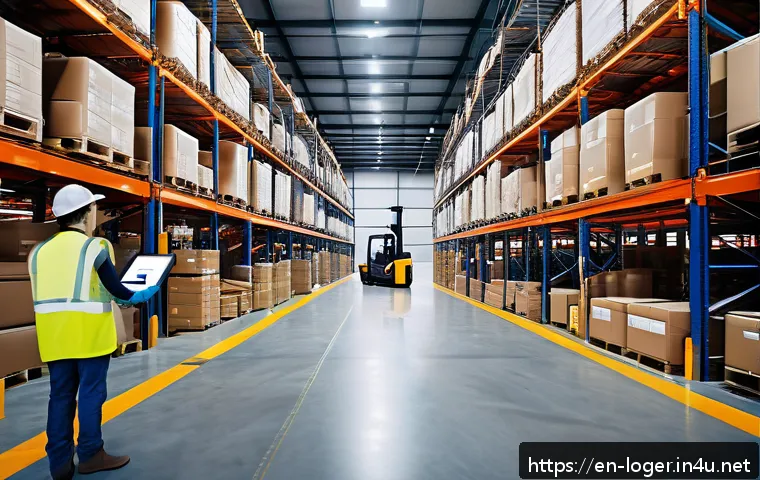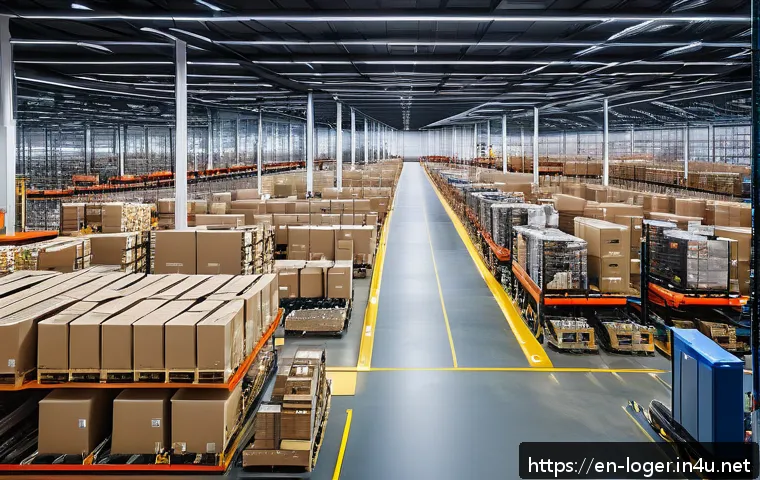
In today’s fast-paced market, supply chains are under more pressure than ever to keep up with demand and stay agile. Smart logistics technology is stepping in as a game-changer, transforming how companies manage inventory with real-time data and automation.

As global disruptions continue to challenge traditional methods, embracing these innovations isn’t just an option—it’s becoming essential for survival.
If you’ve ever wondered how the future of inventory management will unfold, you’re in the right place. Let’s dive into how smart logistics is reshaping the supply chain landscape and what it means for businesses moving forward.
Revolutionizing Inventory Visibility Through Real-Time Tracking
How IoT Devices Enhance Inventory Awareness
In the past, keeping tabs on inventory meant relying on periodic manual counts or batch updates, which often led to inaccuracies and delays. Nowadays, IoT sensors and RFID tags are game changers, providing constant updates on stock levels, location, and even condition.
From temperature-sensitive goods to high-value electronics, these devices allow businesses to monitor their inventory in real time, reducing guesswork and enabling faster decision-making.
I’ve seen firsthand how integrating these sensors into warehouse operations slashes errors and boosts confidence in stock data, which is crucial when demand surges unexpectedly.
Impact of Real-Time Data on Demand Forecasting
Real-time inventory data doesn’t just help with knowing what’s on hand; it also feeds smarter forecasting models. When companies have up-to-the-minute information, they can better anticipate shortages or overstocks before they become costly problems.
For example, a retailer I worked with managed to cut down on dead stock by 30% after adopting a system that automatically adjusted reorder points based on live sales and inventory trends.
This dynamic approach outperforms traditional static forecasts, making supply chains more resilient and responsive.
Challenges and Solutions in Implementing Real-Time Systems
While the benefits are clear, rolling out real-time tracking isn’t without hurdles. Legacy systems often struggle to integrate with new technologies, and data overload can overwhelm teams if not managed properly.
However, cloud-based platforms and AI-powered analytics help streamline this transition by consolidating data into actionable insights. During a recent project, the biggest win was training warehouse staff to trust and act on real-time alerts, which turned skepticism into enthusiasm and improved overall operational efficiency.
Automation’s Role in Streamlining Inventory Processes
From Manual Tasks to Robotic Assistance
Automation is no longer just a buzzword; it’s transforming how inventory is handled daily. Automated guided vehicles (AGVs), robotic picking systems, and conveyor technologies have taken over repetitive, error-prone tasks, freeing up human workers for more strategic roles.
I’ve observed warehouses reduce picking errors by over 50% after deploying robots, which also sped up order fulfillment times. These systems work tirelessly around the clock, ensuring consistent accuracy and efficiency that manual labor simply can’t match.
Integrating AI for Smarter Inventory Decisions
AI-driven inventory management tools analyze patterns and predict demand fluctuations with remarkable precision. By learning from historical data and external factors like market trends or weather, AI can recommend optimal stock levels and reorder schedules.
In one case, an AI platform helped a mid-sized distributor avoid a major supply disruption by flagging a potential shortage weeks before traditional methods detected it.
This proactive approach is proving indispensable in today’s volatile markets.
Balancing Automation with Human Oversight
While automation brings many advantages, it’s important to maintain a human touch. Machines excel at consistency, but humans provide contextual judgment and problem-solving skills.
The best results come from blending both, where technology handles routine operations and humans manage exceptions and strategic planning. I’ve noticed that companies fostering this balance tend to adapt faster to unexpected challenges, such as sudden supplier delays or changes in consumer behavior.
Enhancing Supply Chain Agility with Cloud-Based Platforms
Centralizing Data for Better Collaboration
Cloud technology enables seamless data sharing among suppliers, manufacturers, and distributors, breaking down information silos that have traditionally slowed responses.
By accessing a unified platform, stakeholders can coordinate inventory movements more effectively, reducing lead times and minimizing stockouts. In practice, this means a supplier can instantly see a retailer’s inventory status and adjust shipments accordingly, which is a huge step forward compared to weeks-long communication cycles.
Real-Time Alerts and Predictive Analytics
Cloud platforms often come with built-in alert systems that notify managers of potential disruptions, such as delayed shipments or inventory imbalances.
Coupled with predictive analytics, these tools help companies act before issues escalate. For example, during peak seasons, alerts about low stock on fast-moving products allow teams to expedite replenishment, avoiding lost sales.
The visibility and foresight offered by these platforms have become invaluable for maintaining smooth operations.
Security and Scalability Considerations
Moving inventory management to the cloud raises concerns about data security and system reliability. However, modern cloud providers offer robust encryption, regular backups, and compliance certifications that safeguard sensitive information.
Additionally, cloud solutions scale effortlessly with business growth, accommodating fluctuating inventory volumes without expensive hardware upgrades.
From my experience, partnering with reputable cloud vendors ensures a secure, flexible foundation for supply chain innovation.
Leveraging Data Analytics for Continuous Improvement
Tracking Key Performance Indicators (KPIs)
Accurate inventory management depends on monitoring KPIs such as turnover rates, order accuracy, and carrying costs. Advanced analytics platforms collect and visualize this data, helping managers pinpoint inefficiencies and track progress over time.
In one scenario, analyzing turnover revealed slow-moving products that tied up valuable capital. Acting on these insights enabled the company to optimize product mixes and improve cash flow substantially.
Identifying Patterns to Reduce Waste and Costs
Analytics also uncover hidden patterns, such as seasonal demand shifts or supplier inconsistencies, which can drive smarter inventory decisions. For example, by reviewing historical data, a food distributor adjusted ordering schedules to align better with local events, reducing spoilage and markdowns.
This kind of targeted adjustment, informed by data rather than guesswork, directly translates into cost savings and environmental benefits.
Using Predictive Models to Anticipate Market Changes
Beyond descriptive analytics, predictive modeling forecasts future trends and potential disruptions. These models can simulate scenarios, like sudden demand spikes or supply shortages, enabling preemptive action.
During a recent project, predictive analytics alerted a client to a probable raw material shortage due to geopolitical tensions, prompting early procurement that avoided production halts.
Such foresight is rapidly becoming a competitive advantage.
Collaborative Networks Strengthening Supply Chain Resilience
Building Transparent Supplier Relationships
Trust and transparency between businesses and suppliers are more critical than ever. Collaborative platforms allow real-time sharing of inventory and shipment data, fostering closer coordination.
I’ve witnessed companies reduce lead times and improve reliability simply by increasing data transparency, which also builds stronger partnerships. These relationships become invaluable during disruptions, where quick, informed decisions are necessary.
Pooling Resources Through Shared Warehousing
Shared warehousing and cross-docking strategies enable multiple businesses to optimize storage costs and delivery times. By pooling inventory in strategic locations, companies can respond faster to regional demand changes and reduce overall logistics expenses.
This cooperative approach, once rare, is gaining traction as firms seek flexibility without massive capital investment.
Leveraging Third-Party Logistics (3PL) Providers
Outsourcing certain logistics functions to 3PLs offers access to specialized expertise and technology without heavy upfront costs. Experienced 3PLs use their own smart logistics systems to manage inventory efficiently, often delivering better service levels and scalability.
From my experience, partnering with the right 3PL can accelerate digital transformation and free internal teams to focus on core business growth.
Comparing Key Smart Logistics Technologies
| Technology | Primary Function | Benefits | Challenges |
|---|---|---|---|
| IoT Sensors & RFID | Real-time inventory tracking | Improved accuracy, condition monitoring, instant updates | Initial installation cost, integration complexity |
| Automation & Robotics | Order picking, material handling | Higher efficiency, error reduction, 24/7 operation | High upfront investment, workforce training |
| Cloud Platforms | Data centralization and collaboration | Scalability, real-time alerts, seamless communication | Security concerns, dependency on internet connectivity |
| AI & Predictive Analytics | Demand forecasting and optimization | Proactive decision-making, waste reduction | Data quality dependence, need for expert interpretation |
| Collaborative Networks | Supplier and partner coordination | Enhanced transparency, resource sharing, risk mitigation | Trust building, data sharing agreements |
Conclusion
Embracing real-time tracking and smart logistics technologies is transforming inventory management into a more precise, agile, and collaborative process. Businesses that leverage IoT, automation, cloud platforms, and AI gain a competitive edge by improving accuracy and responsiveness. Ultimately, blending technology with human insight creates resilient supply chains ready to meet today’s dynamic market demands.
Helpful Information to Know
1. Real-time inventory tracking reduces errors and improves decision-making speed.
2. AI-powered forecasting helps prevent overstocking and stockouts by anticipating demand shifts.
3. Cloud-based platforms enhance collaboration across the entire supply chain with seamless data sharing.
4. Automation boosts operational efficiency by handling repetitive tasks and minimizing human error.
5. Strong partnerships and shared resources increase supply chain flexibility and risk mitigation.
Key Takeaways
Successful inventory management today depends on integrating advanced technologies with well-trained teams to harness accurate, real-time data. Prioritizing transparency, collaboration, and continuous improvement allows companies to reduce costs and respond quickly to market changes. Balancing automation with human oversight ensures both efficiency and strategic adaptability, ultimately strengthening supply chain resilience.
Frequently Asked Questions (FAQ) 📖
Q: uestionsQ1: How does smart logistics technology improve inventory management compared to traditional methods?
A: Smart logistics technology leverages real-time data, automation, and AI-driven analytics to offer unprecedented visibility and control over inventory.
Unlike traditional methods that often rely on manual tracking or periodic updates, smart systems can instantly detect stock levels, predict demand fluctuations, and automate replenishment processes.
From my experience working with companies that adopted these technologies, the reduction in stockouts and overstock situations is remarkable, which ultimately leads to cost savings and enhanced customer satisfaction.
Q: What challenges might businesses face when integrating smart logistics into their supply chains?
A: Integrating smart logistics isn’t without its hurdles. Businesses often encounter challenges such as high upfront investment costs, the complexity of integrating new systems with legacy infrastructure, and the need for staff training to adapt to new workflows.
Additionally, data security and privacy concerns arise as more information is digitized and shared across platforms. However, companies that plan carefully and involve cross-functional teams tend to overcome these obstacles effectively, reaping significant long-term benefits.
Q: Why is adopting smart logistics becoming essential for companies to survive in today’s market?
A: The supply chain landscape is increasingly volatile due to global disruptions like pandemics, geopolitical tensions, and fluctuating consumer demand. Traditional inventory management can’t keep pace with these rapid changes, leading to delays, shortages, or wasted resources.
Smart logistics provides agility and resilience by enabling real-time decision-making and predictive insights. In my view, companies that fail to adopt these innovations risk falling behind competitors who can respond faster, operate leaner, and deliver better service.