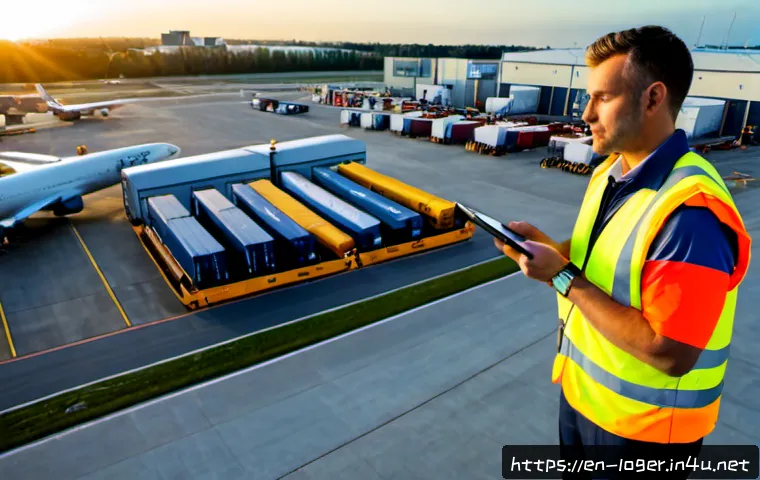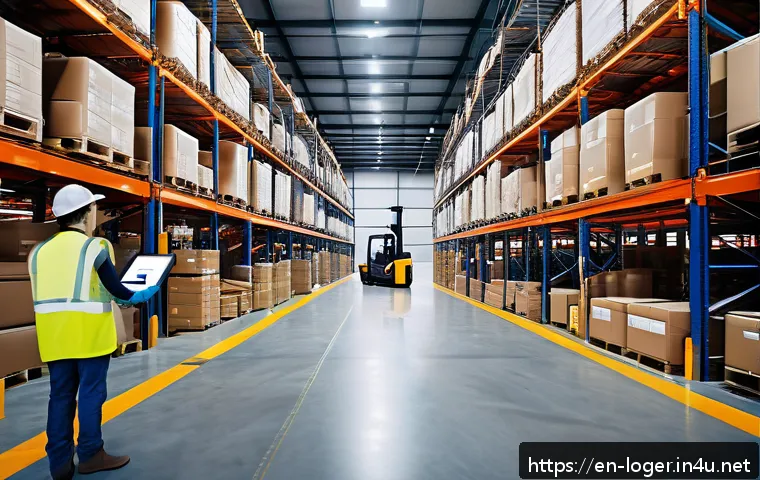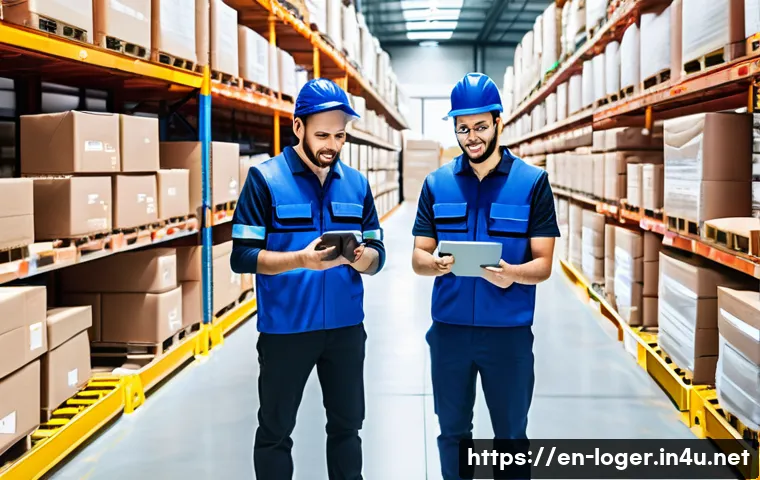
In today’s fast-paced world, the logistics industry is undergoing a massive transformation, and blockchain technology is at the heart of this revolution.
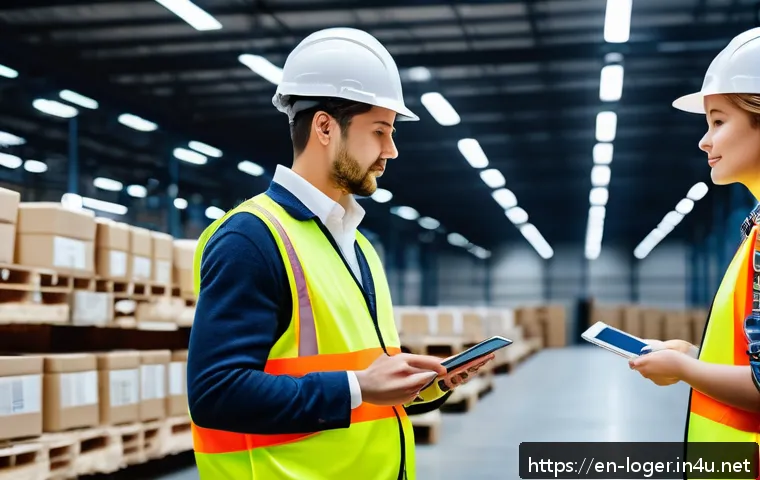
If you’ve been curious about how supply chain careers are evolving, you’re in the right place. From enhancing transparency to streamlining operations, blockchain is reshaping the way goods move across the globe.
I’ve seen firsthand how professionals in logistics are adapting and thriving with these cutting-edge tools. Stick around as we dive into the exciting ways blockchain is opening up new opportunities and redefining roles in supply chain management.
This isn’t just a trend—it’s the future unfolding before our eyes.
Unlocking New Levels of Transparency and Trust
Building Immutable Records
One of the biggest game changers that blockchain brings to supply chains is the ability to create permanent, tamper-proof records. Unlike traditional databases that can be altered or corrupted, blockchain’s decentralized ledger ensures every transaction or movement of goods is recorded in a way that cannot be changed without consensus.
From my experience working alongside logistics teams experimenting with blockchain pilots, this level of transparency drastically reduces disputes and fraud.
When all parties—from manufacturers to retailers—have access to the same trustworthy data, it fosters a new culture of accountability that was previously impossible at scale.
It’s like having an unbreakable chain of custody that everyone can verify independently.
Enhancing Stakeholder Collaboration
Transparency alone is powerful, but blockchain also encourages smoother collaboration among the many players involved in moving products. I’ve noticed that when supply chain professionals adopt blockchain platforms, they spend less time chasing paperwork or clarifying shipment statuses.
Instead, they focus on proactive problem-solving. Smart contracts, which automatically trigger actions based on preset conditions, help eliminate delays and manual errors.
This means vendors, carriers, customs officials, and buyers can work in near real-time with confidence that the information they see is accurate. The ripple effect is a more agile and responsive supply chain ecosystem.
Real-Time Visibility for Smarter Decisions
Another benefit that stood out to me is how blockchain integrates with IoT devices to provide live tracking and status updates. Imagine a refrigerated container sending temperature data every minute to a blockchain ledger.
If there’s a deviation, stakeholders are instantly alerted, preventing spoilage or damage. This continuous stream of verified data empowers logistics managers to make informed decisions quickly—whether rerouting shipments or adjusting inventory.
The result is fewer surprises and enhanced customer satisfaction. In my conversations with supply chain experts, the consensus is clear: real-time, immutable data visibility is no longer a luxury but a necessity.
Revolutionizing Operational Efficiency Through Automation
Streamlining Documentation Processes
Handling paperwork has always been a headache in logistics. Bills of lading, customs declarations, and invoices often require manual checks and approvals, leading to bottlenecks.
From what I’ve seen, blockchain drastically reduces this friction by digitizing and automating documentation. The use of smart contracts means documents can self-verify and self-execute once conditions are met, eliminating the need for back-and-forth emails or physical signatures.
This shift not only speeds up operations but also cuts down errors caused by human handling. It’s impressive how much time and money companies save by adopting these digital workflows.
Reducing Costs and Minimizing Risks
When operations become more efficient, the cost savings naturally follow. I’ve witnessed companies trimming overhead by reducing intermediaries who traditionally verified and managed transactions.
Blockchain’s trustless environment means less reliance on third parties, which lowers transaction fees and administrative expenses. Moreover, by providing a clear audit trail, it helps reduce risks related to compliance and regulatory fines.
The confidence gained from knowing every step is recorded and transparent translates into fewer insurance claims and better overall risk management. It’s like having a safety net woven into the very fabric of the supply chain.
Accelerating Payments and Settlements
Cash flow is the lifeblood of any business, especially in supply chains where payments can often be delayed by weeks. I’ve talked to finance teams who were initially skeptical but then thrilled by how blockchain-powered payments speed up settlements.
Smart contracts automate invoicing and release funds as soon as delivery conditions are verified on the blockchain, removing long waiting periods. This immediate settlement improves supplier relationships and encourages more dynamic partnerships.
Faster payments also free up working capital, which companies can reinvest in growth initiatives or innovation.
Opening Doors to Emerging Roles and Skills
Demand for Blockchain-Savvy Professionals
As blockchain technology becomes more embedded in logistics, the talent landscape is shifting rapidly. From conversations with recruiters and hiring managers, it’s clear that there’s a surge in demand for professionals who not only understand supply chain fundamentals but also possess blockchain literacy.
Roles like blockchain analysts, smart contract developers, and digital transformation consultants are popping up more frequently. What’s exciting is that many logistics veterans are upskilling through online courses and certifications to stay relevant, blending their operational experience with technical knowledge.
This hybrid expertise is becoming a prized asset.
Cross-Functional Collaboration Becomes Key
Blockchain adoption doesn’t happen in a silo. I’ve observed that successful projects often involve cross-departmental teams including IT, legal, compliance, and operations.
This means soft skills like communication and project management are just as important as technical know-how. People who can translate complex blockchain concepts into practical business solutions are in high demand.
I recall a case where a supply chain manager took the initiative to bridge the gap between developers and warehouse staff, ensuring smoother implementation and buy-in.
This kind of proactive leadership is increasingly valued.
Continuous Learning Fuels Career Growth
Given the fast pace of blockchain innovation, staying up to date is crucial. Professionals who embrace continuous learning—whether through webinars, workshops, or peer groups—position themselves for growth.
From my own network, I hear stories of individuals who started as entry-level logistics coordinators but quickly moved into strategic roles by mastering blockchain tools.
The takeaway is that adaptability and curiosity pay off. The supply chain field is evolving, and those who commit to lifelong learning will thrive as new opportunities arise.
Enhancing Security and Compliance Across Borders
Protecting Data Integrity and Privacy
Supply chains often involve multiple countries with varying regulations on data security and privacy. Blockchain’s cryptographic techniques offer a robust solution to safeguard sensitive information.
In projects I’ve reviewed, companies leverage blockchain to ensure that only authorized parties can access specific data, reducing the risk of leaks or hacks.
This level of control is essential for protecting intellectual property and personal data. The decentralized nature of blockchain also makes it less vulnerable to single points of failure, enhancing overall system resilience.
Simplifying Regulatory Reporting
Compliance is a huge pain point in global logistics, with constantly changing laws and documentation requirements. Blockchain simplifies this by providing an immutable, time-stamped record that regulators can trust.
I’ve seen cases where customs agencies accept blockchain records as proof of origin or shipment authenticity, speeding up clearance times. This transparency helps companies avoid costly fines and delays.
The consistent audit trail generated by blockchain also makes it easier to demonstrate compliance during inspections or certifications, easing the burden on compliance teams.
Building Trust with End Consumers
Consumers today care deeply about where their products come from and how they were made. Blockchain enables brands to share verified supply chain information directly with customers, boosting trust and loyalty.
I’ve encountered brands that use blockchain to prove fair trade practices or organic certifications, and their customers appreciate the transparency. This trend not only enhances brand reputation but can also justify premium pricing.
For supply chain professionals, this means their role increasingly intersects with marketing and customer engagement strategies.
Driving Sustainability Through Transparent Practices
Tracking Environmental Impact
Sustainability is no longer optional; it’s a business imperative. Blockchain allows companies to trace the environmental footprint of their products at every stage—from raw materials to delivery.
I’ve followed projects where blockchain tracks carbon emissions, water usage, and waste, providing verifiable data that supports sustainability claims.
This granular visibility helps companies identify inefficiencies and make more eco-friendly choices. It’s rewarding to see supply chain teams take pride in contributing to greener operations, knowing their impact is transparent and accountable.
Empowering Ethical Sourcing
Ethical sourcing is a critical concern for consumers and regulators alike. Blockchain helps verify that suppliers adhere to labor laws, fair wages, and human rights standards by documenting compliance on an unalterable ledger.
From discussions with procurement professionals, I’ve learned that this capability reduces risks associated with unethical suppliers and strengthens supplier relationships.
It also enables companies to tell authentic stories about their sourcing practices, which resonates strongly in today’s conscious consumer market.
Facilitating Circular Economy Initiatives
The shift toward circular economy models—where products are reused, recycled, or refurbished—is gaining momentum. Blockchain supports this by providing transparent records of product lifecycle and ownership changes.
I’ve seen startups build blockchain platforms that track returned goods and verify their condition, making it easier to resell or recycle items. This transparency reduces waste and encourages responsible consumption.
For supply chain professionals, participating in circular economy initiatives opens new career pathways focused on innovation and sustainability.
Comparing Traditional and Blockchain-Enabled Supply Chains
| Aspect | Traditional Supply Chain | Blockchain-Enabled Supply Chain |
|---|---|---|
| Data Transparency | Limited; data often siloed and prone to manipulation | High; decentralized ledger provides shared, immutable records |
| Operational Speed | Slower due to manual paperwork and verification | Faster with automated smart contracts and real-time updates |
| Security | Centralized systems vulnerable to hacks and fraud | Enhanced cryptography and decentralization reduce risks |
| Cost Efficiency | Higher due to intermediaries and error correction | Lower with reduced middlemen and streamlined processes |
| Compliance | Complex and time-consuming; reliant on manual audits | Simplified with transparent, timestamped audit trails |
| Stakeholder Trust | Variable; often requires third-party validation | Built-in through consensus and shared visibility |
Adapting Supply Chain Education for Tomorrow’s Challenges
Integrating Blockchain into Curricula
Educational institutions are recognizing the need to evolve supply chain programs to include blockchain fundamentals. From what I’ve gathered, many universities and training providers now offer specialized courses or modules that teach students how blockchain impacts logistics and operations.
This shift prepares graduates to hit the ground running in tech-enabled environments. I recall attending a conference where educators emphasized hands-on projects with blockchain tools as critical for bridging theory and practice.
Promoting Interdisciplinary Learning
Because blockchain intersects with IT, finance, law, and operations, interdisciplinary learning is becoming essential. Programs that combine supply chain management with coding, cybersecurity, or legal studies equip students with a versatile skill set.
I’ve spoken to learners who appreciate this holistic approach, noting it makes them more attractive candidates in the job market. Encouraging collaboration across departments also mirrors real-world scenarios where cross-functional teamwork drives success.
Fostering Lifelong Learning Mindsets
Given how fast blockchain and related technologies evolve, fostering a mindset of continuous learning is crucial. I’ve seen companies invest in ongoing professional development, offering workshops and certifications that keep their teams updated.
For individuals, embracing this mindset means staying curious and adaptable. Those who actively seek new knowledge tend to lead innovation within their organizations, turning challenges into opportunities rather than obstacles.
In Conclusion
Blockchain technology is transforming supply chains by bringing unmatched transparency, efficiency, and security. From real-time data visibility to streamlined operations, the benefits are tangible and impactful. Embracing these innovations not only drives better business outcomes but also opens new career opportunities. As the landscape evolves, staying informed and adaptable will be key to thriving in this dynamic environment.
Useful Information to Keep in Mind
1. Blockchain ensures permanent and tamper-proof records, significantly reducing disputes and fraud within supply chains.
2. Smart contracts automate processes, cutting down paperwork and speeding up operations while minimizing human errors.
3. Real-time integration with IoT devices offers live tracking and instant alerts, enabling faster, smarter decision-making.
4. Demand for professionals skilled in both supply chain fundamentals and blockchain technology is growing rapidly.
5. Blockchain supports sustainability efforts by providing transparent data on environmental impact and ethical sourcing.
Key Takeaways
Blockchain-enabled supply chains offer greater transparency and trust through immutable ledgers, enhancing collaboration and reducing risks. Automation via smart contracts accelerates payments and lowers costs by cutting out intermediaries. The technology also helps meet regulatory requirements more efficiently while empowering companies to showcase ethical and sustainable practices. For professionals, acquiring blockchain knowledge and embracing continuous learning are essential steps to remain competitive and contribute to the future of logistics.
Frequently Asked Questions (FAQ) 📖
Q: uestionsQ1: How is blockchain technology improving transparency in supply chain management?
A: Blockchain creates an immutable, shared ledger where every transaction or movement of goods is recorded in real-time. This means that all stakeholders—from manufacturers to retailers—can verify the origin, status, and handling of products at any point.
In my experience, this transparency drastically reduces fraud, counterfeiting, and disputes, making supply chains more trustworthy and efficient.
Q: What new career opportunities are emerging in logistics because of blockchain?
A: Blockchain is opening doors to roles such as blockchain supply chain analysts, smart contract developers, and compliance specialists focused on distributed ledger technology.
Professionals who understand both logistics and blockchain are increasingly in demand to design, implement, and maintain these systems. From what I’ve seen, companies are willing to invest in training employees or hiring specialists who can bridge the gap between traditional supply chain processes and cutting-edge tech.
Q: Will blockchain replace traditional logistics jobs, or will it create more jobs?
A: Rather than replacing jobs, blockchain tends to transform them. It automates routine tasks like record-keeping and tracking, freeing up human workers to focus on higher-value activities such as strategic planning and relationship management.
In my conversations with industry insiders, many agree that blockchain enhances job roles rather than eliminating them, leading to a more skilled and tech-savvy workforce in logistics.