With global trade evolving faster than ever, mastering maritime logistics has become essential for businesses aiming to stay competitive. Sea freight remains the backbone of international shipping, but managing its complexities can be daunting.
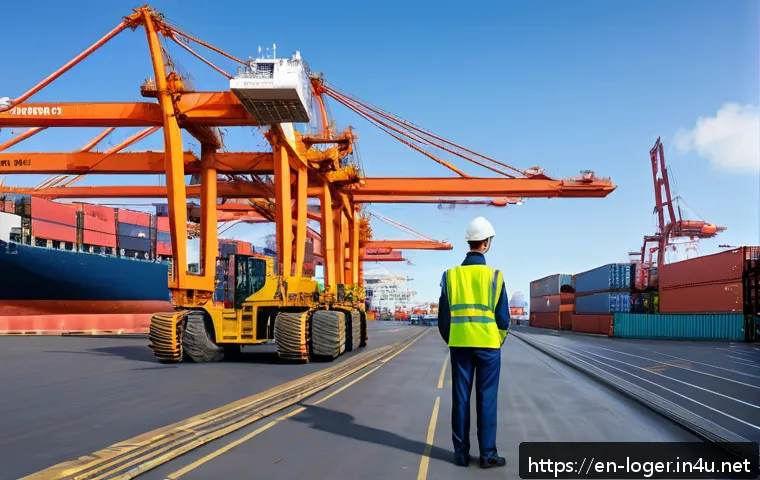
Whether you’re a seasoned pro or new to the field, understanding the entire workflow can save time, cut costs, and boost efficiency. In this guide, I’ll walk you through proven strategies and insider tips to streamline your sea freight operations.
Let’s dive into the world of maritime logistics and unlock new potential for your supply chain success.
Optimizing Container Selection and Load Planning
Understanding Container Types and Their Uses
Choosing the right container is fundamental to maximizing space efficiency and protecting your cargo throughout the journey. From standard dry containers to refrigerated reefers and open tops, each type serves a specific purpose based on the nature of the goods being shipped.
For instance, perishable items demand reefers to maintain temperature control, while oversized machinery might require flat racks or open-top containers.
My own experience taught me that underestimating container compatibility can lead to costly delays or damage, so investing time in matching cargo specs with container features pays off tremendously.
Strategic Load Distribution for Safety and Cost Efficiency
Proper load distribution inside containers isn’t just about fitting as much as possible; it directly impacts vessel stability and handling. Uneven weight distribution can cause dangerous shifts during transit, risking damage to cargo and the ship itself.
When I coordinated shipments for a tech company, we used weight mapping tools and manual checks to ensure balanced loads. This not only enhanced safety but also reduced insurance premiums because the risk profile of our shipments decreased.
Balancing load density and fragility considerations is a delicate yet rewarding task that improves overall supply chain resilience.
Utilizing Technology to Enhance Packing Accuracy
Incorporating software solutions that simulate container packing can significantly streamline the planning process. These tools allow you to visualize different packing configurations, identify unused spaces, and optimize the sequence of loading and unloading.
When I first adopted such technology, the improvement in turnaround times was noticeable, cutting down packing errors and minimizing last-minute adjustments at port.
This digital edge is increasingly becoming a standard in maritime logistics, offering a measurable boost to operational efficiency.
Navigating Customs Clearance and Documentation
Essential Documents for Smooth Customs Processing
Navigating the maze of paperwork is one of the trickiest parts of sea freight. Bills of lading, commercial invoices, packing lists, and certificates of origin are just a few documents required for customs clearance.
Missing or incorrect paperwork can stall shipments for days or even weeks. In my experience, setting up a checklist system with the customs broker and verifying all documents before departure dramatically reduces clearance delays.
It’s also wise to stay updated on destination country regulations, as these can change frequently, impacting required documentation.
Leveraging Customs Brokers and Freight Forwarders
Customs brokers and freight forwarders act as vital intermediaries between shippers and regulatory authorities. Their expertise can ease the burden of compliance, tariff classification, and duty payment processes.
I’ve found that partnering with a reliable broker who understands the nuances of your cargo type and trade routes saves not only time but also unexpected costs.
They can anticipate potential hold-ups and proactively address issues, which is invaluable when handling complex or high-value shipments.
Understanding Tariffs and Trade Agreements
Knowledge of applicable tariffs and free trade agreements can unlock significant cost savings. For example, goods qualifying under specific trade agreements may enjoy reduced or zero customs duties.
When managing imports for my business, I kept a close eye on evolving trade policies and worked with our customs team to claim eligible tariff reductions.
This proactive approach enhanced profitability and kept our pricing competitive in international markets.
Optimizing Vessel Selection and Route Planning
Choosing the Right Shipping Line and Vessel Type
Selecting an appropriate shipping line and vessel type is more than just booking the earliest available slot. Factors such as vessel size, transit time, service frequency, and reliability all influence your supply chain’s performance.
I recall switching to a shipping line with a better on-time record and more direct routes, which reduced my lead time by several days and improved inventory management downstream.
It’s worth investing time in researching carriers’ reputations and network coverage before committing to contracts.
Evaluating Route Options for Cost and Speed Balance
Some routes offer faster transit but come with higher costs, while others are slower but more economical. Balancing these trade-offs depends on the cargo’s urgency and budget constraints.
In practice, I often segmented shipments—sending urgent stock via faster routes while routing non-urgent inventory on cheaper, slower services. This strategy optimized cash flow without compromising customer satisfaction, a balancing act that’s crucial for competitive maritime logistics.
Anticipating Weather and Port Congestion Impact
Weather conditions and port congestion can cause unexpected delays that ripple through the supply chain. Monitoring real-time data and historical trends helps anticipate disruptions.
For instance, during a recent monsoon season, rerouting through alternative ports helped avoid significant hold-ups. Proactive communication with carriers and port authorities also proved essential in managing expectations and adjusting schedules dynamically, a practice I recommend for anyone serious about maintaining shipment reliability.
Enhancing Cargo Tracking and Visibility
Implementing Real-Time Tracking Technologies
Real-time tracking has revolutionized how we monitor sea freight. GPS-based systems and IoT sensors provide constant updates on cargo location, temperature, and humidity conditions.
From personal experience, this transparency not only reassures customers but also enables quick intervention if issues arise, such as rerouting shipments or addressing temperature deviations in refrigerated containers.
Investing in these technologies pays dividends in customer trust and operational control.

Integrating Supply Chain Visibility Platforms
Supply chain visibility platforms consolidate data from multiple stakeholders, offering a holistic view of the shipment lifecycle. Using such platforms helped me coordinate between warehouses, carriers, and customs brokers more efficiently.
The ability to anticipate bottlenecks and communicate proactively with all parties minimized downtime and improved overall delivery performance. These platforms are becoming indispensable tools for businesses looking to enhance supply chain agility and responsiveness.
Communicating Effectively with Stakeholders
Despite technological advances, clear and timely communication remains a cornerstone of successful maritime logistics. Regular updates, exception alerts, and collaborative problem-solving foster trust and smooth operations.
In my projects, establishing dedicated communication channels and protocols reduced misunderstandings and expedited issue resolution. Remember, technology facilitates visibility, but human interaction drives effective decision-making and relationship building.
Streamlining Port Operations and Cargo Handling
Coordinating Efficient Loading and Unloading Procedures
Efficient port operations hinge on well-coordinated loading and unloading activities. Delays during these stages can quickly cascade into longer lead times and increased demurrage charges.
From hands-on coordination with stevedores, I learned the value of pre-planning cargo sequences, ensuring all equipment and personnel are ready ahead of vessel arrival.
This proactive management minimizes idle times and accelerates turnaround.
Managing Documentation and Compliance at Port
Ports require precise documentation for cargo release, including customs clearances, delivery orders, and inspection certificates. Mismanagement here can cause costly demurrage or cargo detention.
I always advise maintaining a dedicated team or liaison to handle port paperwork promptly and track compliance requirements. This focus reduces errors and expedites cargo movement through busy terminals.
Utilizing Automation and Digital Tools in Ports
Many modern ports have embraced automation to streamline cargo handling. Digital gate systems, automated cranes, and electronic data interchange (EDI) reduce manual errors and speed up processes.
When collaborating with ports that use these technologies, I noticed a significant drop in paperwork delays and faster cargo throughput. Aligning your operations to leverage such innovations is a smart move to stay competitive in maritime logistics.
Cost Management and Risk Mitigation Strategies
Breaking Down Key Cost Components in Sea Freight
Understanding the various cost elements—freight charges, port fees, insurance, and ancillary services—is critical to budgeting effectively. Here’s a simplified breakdown I often use to identify where savings can be found:
| Cost Component | Description | Typical Impact |
|---|---|---|
| Freight Charges | Basic cost for transporting containers by sea | Major portion, varies with route and carrier |
| Port and Terminal Fees | Charges for handling cargo at ports | Moderate, influenced by port efficiency |
| Customs Duties and Taxes | Government-imposed tariffs on imports/exports | Variable, dependent on product classification |
| Insurance | Protection against cargo loss or damage | Small to moderate, based on cargo value |
| Ancillary Services | Additional costs like warehousing, documentation | Variable, often overlooked but significant |
Implementing Cost Control Measures
Through negotiation with carriers, consolidating shipments, and optimizing routes, I managed to reduce freight costs substantially over time. Tracking invoice accuracy and avoiding unnecessary ancillary charges also contributed to leaner budgets.
Applying these cost controls requires vigilance but rewards with improved profit margins and pricing flexibility.
Preparing for Risks and Contingencies
Sea freight is inherently subject to risks including weather disruptions, piracy, and geopolitical tensions. Developing contingency plans, purchasing adequate insurance, and maintaining flexible logistics networks helped me mitigate these uncertainties.
Regular risk assessments and scenario planning are essential practices to safeguard your supply chain against unexpected shocks.
In Conclusion
Optimizing container selection, load planning, and navigating the complexities of sea freight requires a strategic and informed approach. By leveraging technology, understanding regulatory requirements, and maintaining clear communication, you can enhance efficiency and reduce risks throughout your supply chain. My personal experience confirms that attention to detail and proactive management make all the difference in achieving reliable and cost-effective maritime logistics.
Useful Information to Remember
1. Always match your cargo type with the appropriate container to prevent damage and maximize space.
2. Balance load distribution carefully to ensure safety and reduce insurance costs.
3. Utilize packing simulation software to improve accuracy and reduce delays at ports.
4. Work closely with customs brokers to streamline clearance and avoid costly paperwork issues.
5. Monitor weather and port conditions in real-time to adjust routes and schedules proactively.
Key Takeaways
Efficient sea freight management hinges on selecting the right containers and vessels, planning loads strategically, and staying compliant with customs regulations. Incorporating real-time tracking and supply chain visibility tools enhances operational control and customer confidence. Additionally, controlling costs through negotiation and risk mitigation strategies safeguards your business against unpredictable challenges, ensuring smoother and more profitable shipping operations.
Frequently Asked Questions (FAQ) 📖
Q: What are the key challenges in managing sea freight logistics effectively?
A: Managing sea freight logistics involves juggling various complexities such as fluctuating shipping schedules, customs regulations, and cargo handling.
One of the biggest challenges is coordinating with multiple parties—carriers, freight forwarders, port authorities—while ensuring timely documentation and compliance.
From my experience, staying proactive with real-time tracking and maintaining strong communication lines can significantly reduce delays and unexpected costs.
Q: How can businesses reduce costs while maintaining efficiency in maritime logistics?
A: Cost reduction without sacrificing efficiency often comes down to optimizing container space, choosing the right shipping routes, and negotiating better contracts with carriers.
I’ve found that consolidating shipments and planning well ahead to avoid peak season surcharges can make a noticeable difference. Additionally, investing in technology like freight management software helps monitor expenses closely and spot inefficiencies early on.
Q: What strategies help improve the overall workflow in sea freight operations?
A: Streamlining workflow starts with understanding each step—from booking and documentation to cargo loading and delivery. Implementing standardized processes and digital tools can automate repetitive tasks, reducing human error and saving time.
Personally, adopting a centralized platform for all stakeholders involved has improved visibility and coordination, enabling faster decision-making and smoother operations across the board.