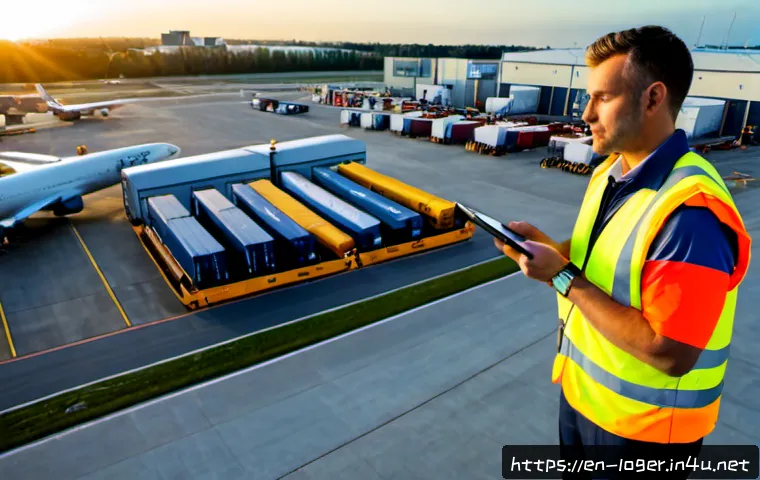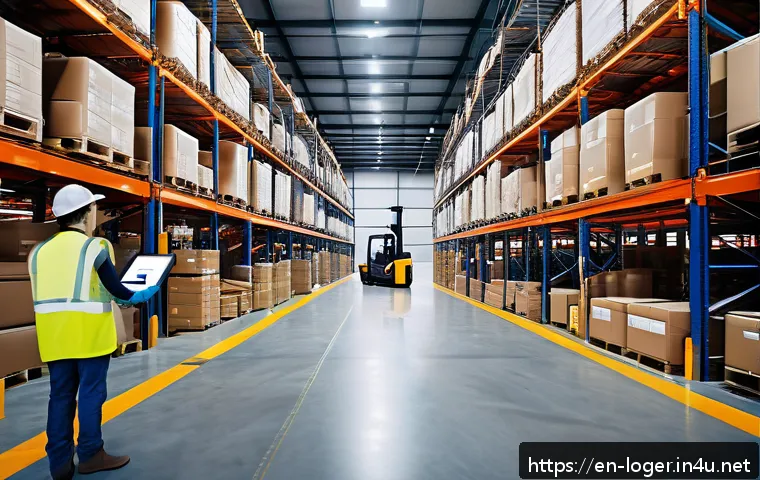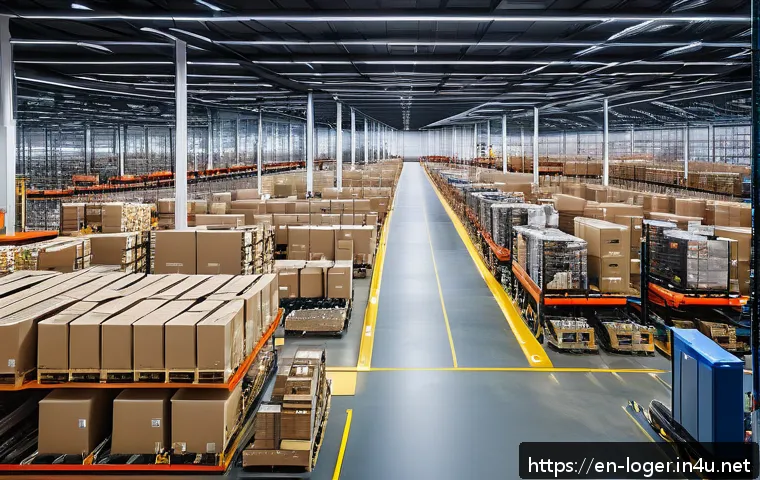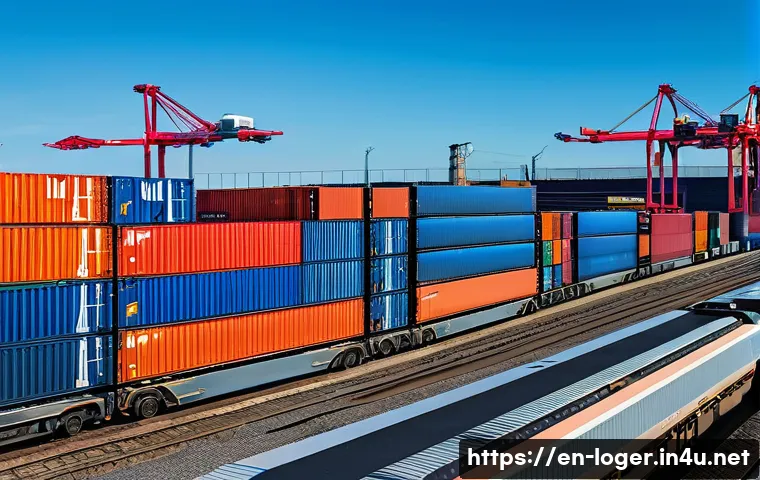
Managing logistics efficiently has become a cornerstone for businesses aiming to stay competitive in today’s fast-paced market. Among various transportation methods, rail freight stands out as a sustainable and cost-effective solution for moving large volumes of goods over long distances.
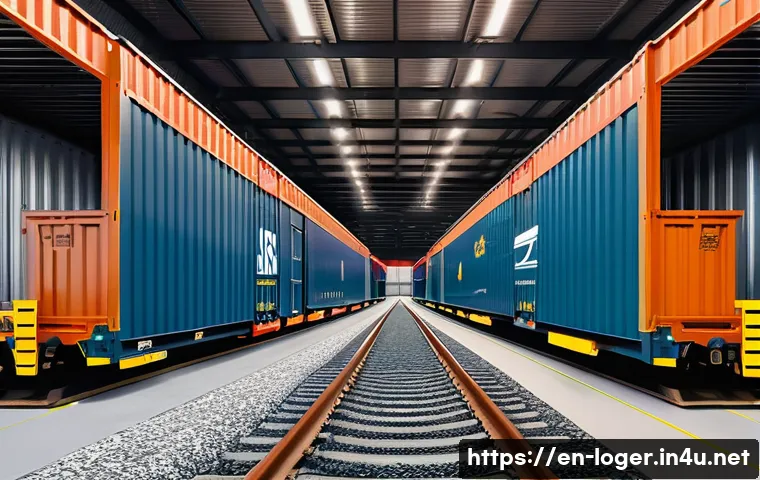
The role of a logistics manager is crucial in orchestrating these complex operations, ensuring timely delivery while minimizing expenses. From coordinating schedules to optimizing cargo loads, their expertise directly impacts the supply chain’s success.
Let’s dive deeper into how logistics management and rail freight work hand in hand to revolutionize the transportation industry. We’ll break down the key concepts and real-world examples for you to fully grasp this fascinating topic!
Optimizing Rail Freight Scheduling for Maximum Efficiency
Balancing Transit Times with Delivery Deadlines
Coordinating rail freight schedules is a delicate dance between minimizing transit times and meeting strict delivery deadlines. From my experience working alongside logistics teams, one of the biggest challenges is aligning train availability with cargo readiness.
Unlike road transport, trains run on fixed timetables and predefined routes, so any delay can ripple across the entire supply chain. A savvy logistics manager anticipates potential bottlenecks by closely monitoring rail network traffic and adjusting shipment plans proactively.
This hands-on approach reduces idle time and ensures goods arrive just when they’re needed, not too early to clog warehouses or too late to disrupt production lines.
Integrating Multimodal Transport Seamlessly
Rail freight rarely operates in isolation; it often connects with trucks, ships, or even air freight to complete the delivery journey. Managing these handoffs requires precise timing and coordination.
For example, if a container arrives late at a rail terminal, it can miss the connecting truck, causing costly delays. I’ve seen logistics managers use advanced tracking systems that provide real-time updates on cargo location and estimated arrival times.
This visibility empowers teams to reroute shipments or reschedule pickups dynamically, maintaining a smooth flow across all transport modes. The goal is to create a fluid, end-to-end supply chain that leverages rail’s efficiency without sacrificing flexibility.
Leveraging Technology for Dynamic Scheduling
Modern logistics management increasingly relies on AI-driven software to optimize rail freight scheduling. These tools analyze vast datasets—train timetables, cargo priorities, weather conditions, and track availability—to generate optimized plans that humans alone might miss.
From personal experience, implementing such systems has led to significant improvements in on-time performance and resource utilization. For instance, predictive analytics can forecast potential disruptions and suggest alternative routes or departure times before problems occur.
This proactive strategy not only saves money but also builds trust with customers who count on reliable delivery.
Maximizing Cargo Load Efficiency on Railcars
Understanding Weight Distribution and Load Limits
Loading railcars efficiently goes beyond just filling space; it requires careful consideration of weight distribution to ensure safety and compliance.
Overloading or uneven loading can cause derailments or damage to infrastructure, leading to costly accidents and delays. In my work, I’ve noticed that logistics managers collaborate closely with rail operators to understand the specific load limits of each railcar type and route.
This collaboration helps prevent penalties and ensures the cargo is transported securely. Proper weight balancing also improves fuel efficiency since trains that are evenly loaded consume less energy during transit.
Optimizing Container Arrangement for Space Utilization
Maximizing how cargo fits inside railcars is both an art and a science. By strategically arranging containers and pallets, companies can increase shipment volume without increasing costs.
From what I’ve seen, experienced logistics planners use 3D modeling software to simulate various loading scenarios. This allows them to identify configurations that maximize space while keeping the cargo accessible for unloading.
Additionally, grouping similar goods together reduces handling time at transfer points. This methodical approach boosts productivity and lowers the risk of damage caused by frequent rearranging.
Adapting to Seasonal and Commodity-Specific Variations
Different types of cargo and seasonal fluctuations demand tailored loading strategies. For example, bulk agricultural products during harvest season require different handling compared to manufactured goods or hazardous materials.
I recall a case where a logistics team had to adjust their railcar loading methods to accommodate oversized machinery parts safely, which involved custom securing and weight distribution techniques.
These adaptations ensure that the cargo arrives intact and compliant with regulations. Seasonality also affects demand and supply chain dynamics, so logistics managers must remain flexible and ready to adjust load planning accordingly.
Enhancing Supply Chain Transparency with Real-Time Tracking
Benefits of GPS and IoT in Rail Freight
Real-time tracking technologies have revolutionized how logistics managers monitor rail freight. GPS and IoT sensors installed on railcars provide continuous updates on location, speed, and environmental conditions.
From my observations, this transparency allows for quicker response to delays or incidents, minimizing disruption. For example, if a sensor detects a temperature anomaly in a refrigerated railcar, the logistics team can immediately arrange for corrective action, protecting sensitive goods.
This level of insight not only improves operational efficiency but also builds stronger relationships with customers through reliable information sharing.
Improving Inventory Management and Demand Forecasting
Access to real-time rail freight data feeds directly into inventory management systems, enabling more accurate stock control and demand forecasting. By knowing exactly when shipments will arrive, warehouses can plan labor and storage space more effectively.
I’ve worked with teams who integrated tracking data into their ERP systems, resulting in fewer stockouts and reduced excess inventory. This synchronization reduces working capital tied up in goods and enhances overall supply chain responsiveness.
In a competitive market, these improvements translate into tangible cost savings and customer satisfaction.
Addressing Security Concerns and Cargo Theft
While transparency offers many benefits, it also raises concerns about cargo security. Rail freight can be vulnerable to theft or tampering during transit or at terminals.
To combat this, logistics managers implement secure locking mechanisms combined with electronic monitoring systems. I’ve seen the use of geofencing technology that triggers alerts if a railcar deviates from its planned route or stops unexpectedly.
These measures act as deterrents and enable rapid intervention, reducing losses and insurance costs. Maintaining a secure supply chain is critical not just for protecting goods but also for preserving brand reputation.
Cost Management Strategies in Rail-Based Logistics
Negotiating Competitive Freight Rates
Securing favorable freight rates is a key lever for controlling logistics costs. Rail carriers often offer volume discounts or long-term contract pricing, but negotiation requires a deep understanding of market trends and shipment patterns.
From personal experience, logistics managers who maintain strong relationships with multiple rail providers can leverage competition to obtain better rates and service terms.
Additionally, bundling shipments or adjusting delivery schedules can unlock cost savings. Being proactive in these negotiations directly impacts the bottom line and allows companies to invest more in other value-added logistics activities.
Reducing Fuel and Maintenance Expenses
Rail freight is generally more fuel-efficient than road transport, but managing related expenses still demands attention. Logistics teams analyze route options, train speeds, and load weights to optimize fuel consumption.
I’ve seen initiatives where switching to more fuel-efficient locomotives or implementing regenerative braking systems significantly lowered operating costs.
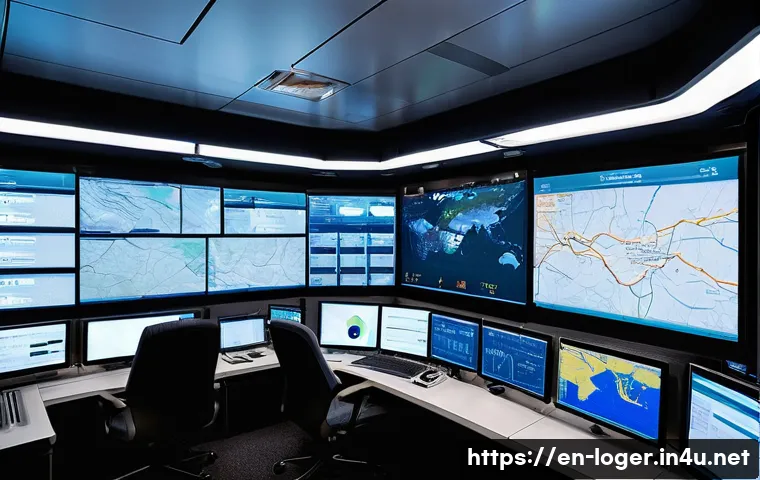
Preventive maintenance scheduling based on real-time data also reduces unexpected breakdowns and downtime. These efforts not only save money but contribute to sustainability goals, which increasingly influence customer and investor preferences.
Balancing Cost with Service Quality
Cutting costs without compromising service quality is a constant balancing act. Sometimes, the cheapest option may result in longer transit times or less reliable deliveries, which can erode customer trust.
From what I’ve learned, successful logistics managers prioritize total cost of ownership rather than just upfront expenses. This means factoring in potential penalties for late deliveries, damage rates, and customer satisfaction impacts when making decisions.
Employing key performance indicators (KPIs) and continuous improvement programs helps maintain this balance, ensuring that cost reductions enhance rather than undermine overall supply chain performance.
Environmental Impact and Sustainability in Rail Logistics
Lowering Carbon Footprint Compared to Other Modes
Rail freight stands out as one of the greenest transportation options available. It emits significantly less CO2 per ton-mile than trucking or air freight, making it an attractive choice for companies aiming to reduce their environmental impact.
I’ve noticed that businesses increasingly highlight rail usage in their sustainability reports, appealing to eco-conscious consumers and investors. Switching more shipments to rail can also help companies meet regulatory requirements or participate in carbon credit programs.
This environmental advantage is both a strategic differentiator and a practical way to contribute to global climate goals.
Implementing Energy-Efficient Technologies
The rail industry is adopting various technologies to enhance energy efficiency further. Innovations such as hybrid locomotives, improved aerodynamics, and advanced signaling systems help reduce fuel consumption and emissions.
Based on conversations with industry experts, integrating renewable energy sources at rail yards and terminals is also gaining traction. Logistics managers who stay informed about these developments can collaborate with rail providers to select greener options.
Investing in sustainable rail logistics not only cuts costs over time but also aligns with growing corporate social responsibility commitments.
Challenges and Opportunities in Sustainable Rail Freight
Despite its benefits, rail freight faces challenges like limited network coverage and infrastructure constraints that can hinder sustainability goals.
For instance, last-mile delivery often still relies on trucks, which reduces the overall environmental benefit. However, I’ve seen promising projects focusing on expanding rail terminals and improving intermodal connections to address these gaps.
Additionally, digital tools enable better route planning and load optimization, minimizing empty runs and energy waste. Embracing these innovations offers a path to making rail logistics even more sustainable while enhancing operational efficiency.
Key Performance Metrics to Track Rail Logistics Success
On-Time Delivery Rate and Transit Reliability
Measuring how consistently shipments arrive on schedule is fundamental to evaluating rail logistics performance. In my experience, tracking on-time delivery rates helps identify recurring delays or inefficiencies in the supply chain.
Logistics managers use this data to implement corrective actions, such as adjusting schedules or improving communication with rail operators. A high reliability score builds customer confidence and reduces the need for costly expedited shipments.
It’s one of the clearest indicators of a well-managed rail freight operation.
Load Factor and Capacity Utilization
Load factor measures the percentage of available railcar capacity actually used for cargo, reflecting how efficiently space is utilized. From what I’ve observed, improving load factor often involves better planning and coordination with suppliers to consolidate shipments.
High capacity utilization translates directly into cost savings and environmental benefits by reducing the number of trips required. Logistics teams that monitor this metric regularly can spot trends and optimize loading strategies to maximize throughput without compromising safety.
Cost per Ton-Mile and Total Logistics Cost
Evaluating cost effectiveness requires looking at both the cost per ton-mile and the overall logistics expenditure. These metrics encompass freight charges, handling fees, and ancillary costs.
I’ve seen companies benchmark these figures against industry standards to gauge competitiveness. Continuous monitoring enables logistics managers to identify cost drivers and opportunities for savings, such as renegotiating contracts or investing in more efficient equipment.
Balancing cost with service quality ensures sustainable profitability.
| Performance Metric | Description | Typical Range | Impact on Operations |
|---|---|---|---|
| On-Time Delivery Rate | Percentage of shipments arriving within the agreed timeframe | 85%-98% | Improves customer satisfaction and reduces expedited shipping costs |
| Load Factor | Percentage of railcar capacity utilized | 70%-90% | Maximizes cost efficiency and environmental benefits |
| Cost per Ton-Mile | Freight cost divided by tonnage and distance | $0.02 – $0.05 | Key indicator of transportation cost effectiveness |
| Total Logistics Cost | All costs associated with transporting goods via rail | Varies widely by industry and route | Critical for budgeting and profitability analysis |
In Closing
Optimizing rail freight scheduling is a complex but rewarding process that directly impacts supply chain efficiency and cost management. By balancing timely deliveries, leveraging technology, and focusing on sustainability, logistics teams can drive significant improvements. Continuous monitoring of key performance metrics ensures that operations stay on track and responsive to changing demands. Ultimately, a well-coordinated rail freight system benefits not only businesses but also the environment.
Useful Information to Keep in Mind
1. Effective rail freight scheduling requires proactive planning to align train availability with cargo readiness, minimizing delays and idle times.
2. Seamless integration of multimodal transport ensures smooth handoffs between trains, trucks, and ships, reducing costly disruptions.
3. Advanced technologies like AI and real-time tracking enhance dynamic scheduling, allowing logistics managers to anticipate and resolve issues swiftly.
4. Proper cargo loading and weight distribution are critical for safety, fuel efficiency, and compliance with rail regulations.
5. Tracking key metrics such as on-time delivery rates and load factors helps optimize cost efficiency and maintain high service quality.
Key Takeaways
Maximizing rail freight efficiency depends on a delicate balance of scheduling precision, technological adoption, and sustainability efforts. Prioritizing communication and collaboration across all transport modes reduces delays and enhances supply chain transparency. Investing in energy-efficient solutions and secure cargo handling safeguards both the environment and assets. Ultimately, continuous performance evaluation empowers logistics professionals to make data-driven decisions that improve reliability and profitability in rail logistics.
Frequently Asked Questions (FAQ) 📖
Q: How does rail freight contribute to cost savings in logistics management?
A: Rail freight offers significant cost advantages primarily because trains can move large volumes of goods simultaneously over long distances, reducing the cost per unit compared to road or air transport.
From my experience working with supply chains, using rail freight helped cut down fuel expenses and labor costs since fewer drivers are needed compared to trucking.
Additionally, railways often face less congestion than highways, leading to more predictable delivery times and fewer delays, which ultimately lowers operational costs and improves budget planning.
Q: What challenges do logistics managers face when coordinating rail freight operations?
A: One of the biggest challenges is synchronizing schedules between multiple stakeholders, including rail companies, shippers, and receivers. Rail freight relies heavily on fixed routes and timetables, so any delay can ripple through the entire supply chain.
I’ve noticed that handling last-mile delivery also requires careful planning because rail can’t reach every destination directly, necessitating complementary trucking services.
Moreover, managing cargo loads efficiently to maximize space without exceeding weight limits demands detailed knowledge and constant communication, which keeps logistics managers on their toes.
Q: Why is rail freight considered a sustainable transportation option?
A: Rail freight is widely recognized for its lower environmental impact compared to other modes like trucks or airplanes. Trains emit fewer greenhouse gases per ton-mile because steel wheels on steel rails create less friction, making them more energy-efficient.
In my observation, companies aiming to improve their carbon footprint increasingly choose rail freight for bulk shipments, which supports corporate sustainability goals.
Plus, rail networks reduce road congestion and wear, indirectly benefiting communities by lowering pollution and improving safety on highways. This blend of efficiency and eco-friendliness makes rail freight a smart choice for sustainable logistics.