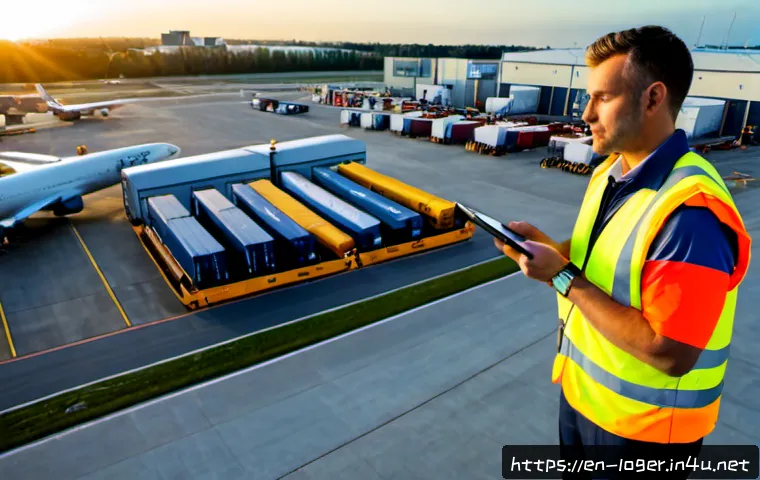
In today’s fast-paced logistics world, mastering warehouse inbound and outbound management is more crucial than ever. With supply chains facing constant challenges from global disruptions and evolving customer demands, efficiency in these areas can make or break a business.

Whether you’re just starting out or looking to sharpen your skills, understanding the nuances of inbound and outbound processes unlocks new career opportunities.
Stick around as we dive into practical insights and strategies that I’ve found invaluable in navigating this dynamic field. Let’s explore how you can become a logistics pro by mastering these essential warehouse operations.
Streamlining Warehouse Receipts: How to Handle Incoming Inventory Efficiently
Optimizing Receiving Procedures for Accuracy and Speed
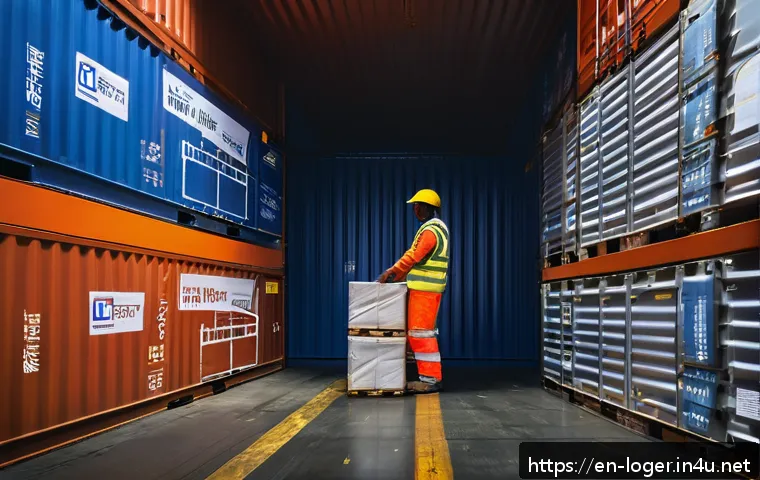
When shipments arrive, the clock starts ticking. One thing I’ve learned from hands-on experience is that a well-structured receiving process can save hours of headache later on.
It’s not just about unloading boxes; it’s about verifying quantities, inspecting for damages, and updating your system right away. Skipping any of these steps risks errors that ripple throughout your supply chain.
For example, if you don’t catch a damaged pallet early, it could cause a shipment delay or customer dissatisfaction. Using barcode scanning and real-time data entry tools has been a game changer in my warehouses, cutting down manual errors and speeding up the check-in process dramatically.
Leveraging Technology to Track and Manage Inbound Goods
I remember when we switched from paper logs to a Warehouse Management System (WMS), the impact was immediate and obvious. Technology like WMS not only improves inventory accuracy but also provides visibility into stock levels and location in real time.
This means fewer misplaced items and faster retrieval when it’s time to ship. With RFID tagging and automated alerts, you can monitor inbound goods from the moment they leave the supplier to when they’re stored, reducing uncertainty and guesswork.
The upfront investment is worth it because the system pays for itself by minimizing errors and labor costs.
Training Teams to Handle Variability in Deliveries
No two shipments are exactly the same, which is why flexible, well-trained teams are essential. I’ve found that cross-training staff on various receiving tasks—from unloading to quality checks—ensures that the process doesn’t bottleneck when unexpected issues arise.
It also boosts morale because employees feel more competent and valuable. Regular refresher training and scenario drills help prepare teams for peak seasons or irregular deliveries, keeping operations smooth even when pressure mounts.
Mastering the Art of Outbound Logistics for Timely Deliveries
Coordinating Pick, Pack, and Ship for Maximum Efficiency
Outbound management is a juggling act that demands precision. From my experience, the biggest gains come from breaking down the process into clear, manageable steps: picking the right items, packing them securely, and scheduling shipments efficiently.
Using zone picking or batch picking methods can reduce travel time within the warehouse dramatically. Also, investing in quality packing materials and double-checking orders before shipment cuts down on returns and customer complaints.
When you nail this flow, customers get their orders faster and happier, which is the ultimate goal.
Using Data Analytics to Predict Demand and Plan Shipments
One of the smartest moves I’ve seen is integrating sales forecasting with warehouse operations. By analyzing historical sales data and seasonal trends, you can predict which products will move quickly and plan your outbound shipments accordingly.
This proactive approach helps avoid last-minute rushes and stockouts. Tools that automate shipment scheduling based on predicted demand ensure trucks leave full and on time, improving overall delivery efficiency and reducing costs.
Building Strong Relationships with Carriers and Customers
Outbound logistics is not just about moving boxes; it’s also about communication. I’ve learned that maintaining close contact with carriers helps prevent delays and resolve issues faster.
Similarly, keeping customers informed about their order status reduces frustration and builds trust. Using shipment tracking apps and providing proactive updates—especially when delays happen—turns a potential problem into a positive customer experience.
Warehouse Layout Design: Maximizing Space for Smooth Operations
Designing for Flow: Minimizing Movement and Bottlenecks
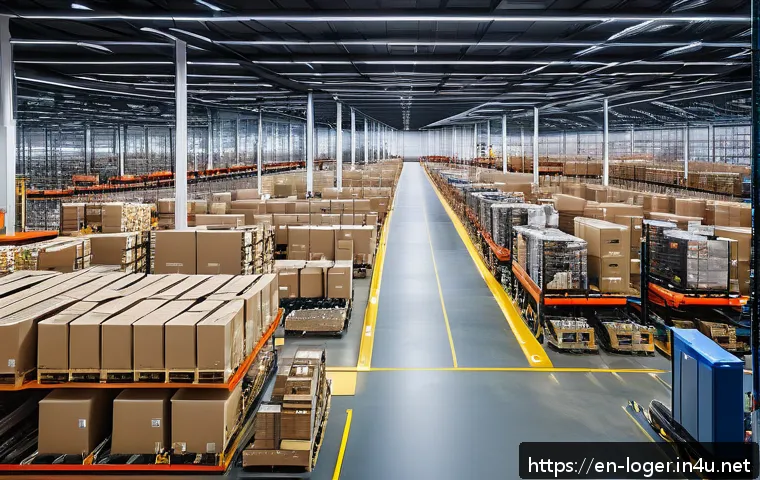
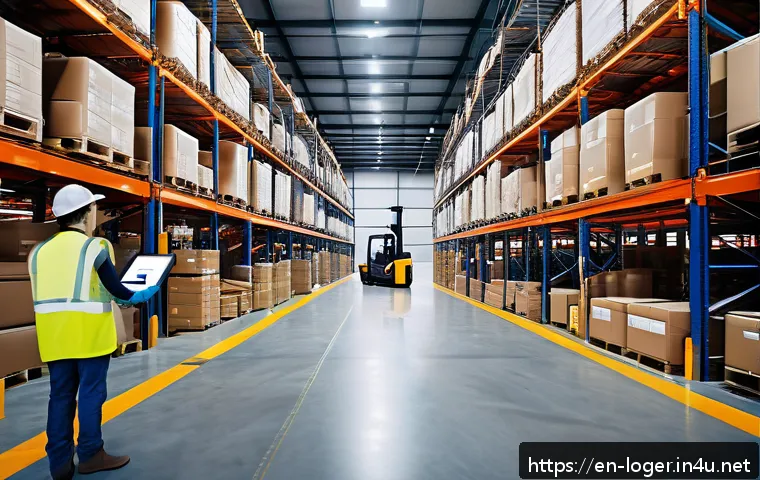
From personal experience, the physical setup of a warehouse can make or break efficiency. Designing a layout that supports a logical flow from inbound receiving to storage to outbound shipping reduces unnecessary movement and bottlenecks.
For example, placing fast-moving items near packing stations speeds up order fulfillment. Wide aisles and clear signage also prevent accidents and confusion.
I’ve seen warehouses where a simple rearrangement of racks shaved off minutes per order, which adds up to huge time savings daily.
Balancing Storage Density with Accessibility
There’s always a trade-off between packing in as much inventory as possible and keeping items accessible. I’ve found that using adjustable racking systems and implementing slotting strategies—placing high-demand products in easy-to-reach areas—strikes the right balance.
This approach improves picking speed while still maximizing cubic space utilization. Automated storage and retrieval systems (AS/RS) can further enhance this balance, though they require a larger upfront investment.
Incorporating Safety and Ergonomics into Layout Planning
Safety is often overlooked but critical. In my warehouses, redesigning layouts to reduce heavy lifting and repetitive motions has lowered injury rates significantly.
Installing ergonomic workstations and ensuring clear emergency exits are non-negotiable elements. Not only do these measures protect staff, but they also improve morale and productivity—people work better when they feel safe and comfortable.
Inventory Accuracy: The Backbone of Reliable Warehouse Operations
Implementing Regular Cycle Counts and Audits
I can’t stress enough how regular cycle counts have transformed inventory accuracy in my warehouses. Instead of annual physical inventories that disrupt operations, counting smaller sections regularly helps catch discrepancies early.
This practice reduces stockouts and overstock situations, keeping both customers and finance teams happy. Audits also provide insights into process weaknesses, allowing continuous improvement.
Using Real-Time Inventory Tracking Systems
Real-time tracking systems have become indispensable in today’s warehouses. When I started using RFID and mobile scanning devices, inventory visibility went from a guessing game to a science.
Real-time data means you can respond immediately to stock changes—whether it’s replenishing a popular item or halting shipments of a recalled product.
This responsiveness prevents costly errors and keeps the supply chain agile.
Addressing Common Causes of Inventory Discrepancies
From my observations, discrepancies often arise from human error, theft, or damaged goods slipping through unnoticed. Training staff thoroughly on proper scanning and handling techniques cuts down many mistakes.
Installing security cameras and controlled access zones helps deter theft. Finally, instituting strict damage reporting protocols ensures that faulty products don’t get counted as sellable stock, maintaining overall accuracy.
Workforce Management: Building a Skilled and Motivated Team
Recruiting for Flexibility and Problem-Solving Skills
Warehouse work is demanding and unpredictable. When hiring, I prioritize candidates who show adaptability and critical thinking. These traits prove invaluable during peak seasons or unexpected disruptions.
A flexible workforce can adjust roles and responsibilities quickly, maintaining smooth operations. This mindset also fosters a culture of continuous learning and improvement.
Creating Incentives to Boost Productivity and Morale
I’ve seen firsthand how incentive programs—like bonuses for accuracy or speed—can energize teams. But it’s crucial to balance speed with quality to avoid burnout or mistakes.
Regular recognition, team-building activities, and opportunities for advancement keep motivation high. When employees feel valued and see a clear career path, their engagement and retention improve significantly.
Investing in Ongoing Training and Development
Technology and processes in warehousing are always evolving. Investing in ongoing training ensures your team stays up-to-date and confident. I recommend blending classroom learning with hands-on practice and digital tutorials.
Cross-training also enables smoother coverage during absences. A well-trained team isn’t just more efficient—it’s safer and more resilient.
Key Metrics to Monitor for Continuous Improvement
Identifying Critical KPIs for Warehouse Performance
Tracking the right KPIs is essential to understand where your warehouse stands. Some of the most impactful metrics I rely on include order accuracy, dock-to-stock time, inventory turnover, and picking productivity.
These indicators highlight bottlenecks and areas needing attention. For instance, a high dock-to-stock time signals inefficiencies in receiving, while low picking productivity may mean layout or training issues.
Using Data to Drive Process Improvements
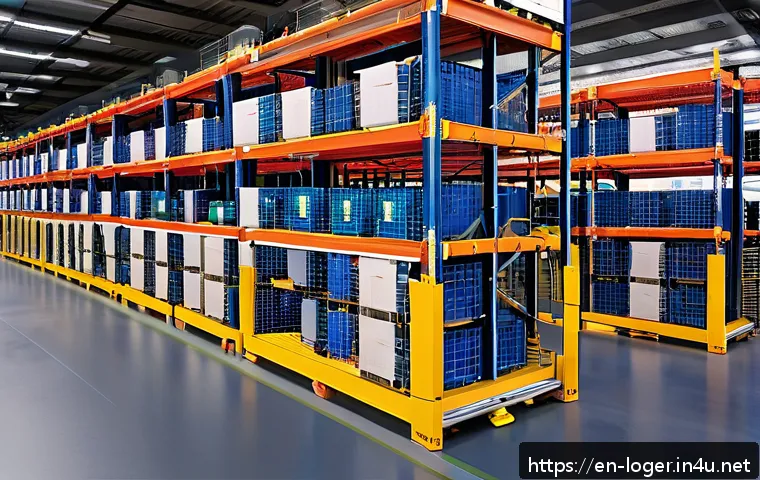
Collecting data is just the first step; the real value lies in analysis and action. I use dashboard tools to visualize trends and spot anomalies quickly.
Regular review meetings with frontline staff help uncover root causes and brainstorm solutions collaboratively. Continuous improvement cycles based on solid data foster a culture of accountability and innovation.
Balancing Efficiency with Quality and Safety
It’s tempting to push for maximum speed, but I’ve learned that quality and safety cannot be compromised. Metrics like error rates and incident frequency must be tracked alongside productivity.
Striking the right balance ensures sustainable performance and protects your workforce and customers. After all, a fast warehouse that delivers damaged goods or causes injuries isn’t really successful.
| Warehouse Operation Aspect | Best Practices | Benefits | Common Challenges |
|---|---|---|---|
| Inbound Receiving | Barcode scanning, real-time data entry, cross-training | Reduced errors, faster processing, increased flexibility | Damaged goods, inaccurate counts, staffing shortages |
| Outbound Shipping | Zone picking, batch picking, proactive carrier communication | Improved speed, fewer returns, enhanced customer satisfaction | Order errors, delays, poor carrier coordination |
| Warehouse Layout | Logical flow design, adjustable racking, safety-focused setup | Increased efficiency, better space use, reduced injuries | Congestion, poor accessibility, safety hazards |
| Inventory Management | Cycle counts, real-time tracking, discrepancy controls | High accuracy, fewer stockouts, better forecasting | Human error, theft, damaged stock |
| Workforce Management | Flexible hiring, incentives, continuous training | Higher productivity, morale, retention | Burnout, skill gaps, turnover |
| Performance Metrics | Tracking KPIs, data analysis, balanced focus | Informed decisions, continuous improvement, safety | Data overload, ignoring quality/safety |
Adapting to Industry Trends and Future-Proofing Your Warehouse
Embracing Automation Without Losing the Human Touch
Automation is sweeping through logistics, but I’ve found that it works best when paired with skilled human oversight. Robots can handle repetitive tasks, but humans are essential for problem-solving and quality control.
Integrating automated guided vehicles (AGVs) and AI-driven inventory management can boost throughput, but don’t underestimate the value of experienced staff who can adapt when technology hiccups occur.
Preparing for Sustainability and Green Logistics
Sustainability is no longer optional; it’s becoming a requirement. I’ve started implementing eco-friendly packaging, energy-efficient lighting, and waste reduction programs in warehouses I manage.
These efforts not only reduce environmental impact but also appeal to increasingly eco-conscious customers. Plus, some initiatives lead to cost savings, such as lower energy bills or reduced material waste.
Staying Agile in a Changing Global Supply Chain
Recent years have taught us that supply chains can be unpredictable. Building agility into your warehouse operations is key. This means flexible staffing, diversified supplier relationships, and technology that supports rapid reconfiguration.
I recommend running regular risk assessments and scenario planning so you’re ready to pivot quickly when disruptions arise. Being proactive rather than reactive makes all the difference in maintaining service levels.
Enhancing Customer Experience Through Warehouse Excellence
Ensuring Accurate and On-Time Deliveries
Nothing impacts customer satisfaction more than receiving the right product at the promised time. From my experience, accuracy in picking and packing combined with reliable shipping schedules directly translates into positive reviews and repeat business.
When customers know they can count on you, it builds loyalty that withstands competition.
Providing Transparency with Real-Time Tracking
Customers today expect to track their orders every step of the way. Implementing real-time tracking systems that provide updates via apps or emails reduces anxiety and inbound customer service calls.
I’ve seen how this transparency creates trust and enhances the overall shopping experience, even when delays happen.
Handling Returns Smoothly to Maintain Brand Reputation
Returns are inevitable, but how you handle them matters. A streamlined returns process that’s easy for customers and efficient for warehouses can turn a potentially negative experience into a positive one.
I’ve worked on optimizing reverse logistics by integrating returns data with inventory systems, speeding up refunds, and restocking. This approach minimizes losses and keeps customers happy.
Developing Leadership Skills for Warehouse Success
Communicating Clearly and Motivating Teams
Leadership in a warehouse environment means more than delegating tasks. I’ve found that clear, consistent communication and leading by example inspire teams to perform their best.
Listening to feedback and recognizing achievements fosters a supportive atmosphere where everyone feels part of the mission.
Making Data-Driven Decisions with Confidence
Leaders must be comfortable interpreting data and making decisions under pressure. I rely on dashboards and reports to guide actions but also trust my team’s insights.
Combining quantitative data with frontline experience leads to smarter, faster decisions that improve operations.
Fostering a Culture of Continuous Improvement
The best warehouses never settle for “good enough.” Encouraging a mindset where everyone seeks ways to improve processes keeps the operation ahead of the curve.
I promote regular brainstorming sessions and pilot testing new ideas, which keeps the team engaged and the warehouse evolving.
Risk Management: Mitigating Disruptions in Warehouse Operations
Identifying and Assessing Potential Risks
Understanding what could go wrong is the first step to prevention. I conduct comprehensive risk assessments covering everything from equipment failure to supply delays.
This proactive approach allows me to prioritize areas needing safeguards and contingency plans.
Implementing Preventive Measures and Contingency Plans
Once risks are identified, putting preventive measures in place is crucial. Regular equipment maintenance, backup suppliers, and staff cross-training are some strategies I use.
Additionally, having clear contingency plans ensures the team knows how to respond quickly when disruptions occur, minimizing downtime.
Monitoring and Reviewing Risk Management Effectiveness
Risk management isn’t a one-time task. I continuously monitor key indicators and review incident reports to evaluate how well strategies are working. Adjustments are made as needed to address emerging threats or weaknesses, keeping the warehouse resilient in a constantly changing environment.
In Conclusion
Efficient warehouse operations hinge on well-designed processes, technology integration, and a skilled workforce. From receiving inventory to shipping orders, every step benefits from thoughtful planning and continuous improvement. Embracing innovation while keeping a human touch ensures resilience in a rapidly changing supply chain environment. Ultimately, a focus on accuracy, safety, and communication drives both operational success and customer satisfaction.
Helpful Information to Keep in Mind
1. Streamlining receiving procedures with technology reduces errors and speeds up inventory processing.
2. Cross-training staff builds flexibility, helping teams manage unexpected challenges smoothly.
3. Designing warehouse layouts for flow and accessibility maximizes efficiency and safety.
4. Regular cycle counts and real-time tracking systems maintain high inventory accuracy and responsiveness.
5. Balancing automation with human oversight enhances productivity without sacrificing quality or adaptability.
Key Takeaways
Successful warehouse management requires a blend of precise operational procedures, effective use of technology, and a motivated, well-trained team. Prioritizing accuracy in inventory and shipment handling prevents costly mistakes, while data-driven decision-making supports ongoing improvements. Safety and employee well-being are essential for sustainable performance, and strong communication with partners and customers strengthens trust and reliability. Staying agile and prepared for industry changes positions warehouses for long-term success.
Frequently Asked Questions (FAQ) 📖
Q: uestions about Warehouse Inbound and Outbound ManagementQ1: What are the key differences between inbound and outbound warehouse management?
A: Inbound warehouse management focuses on receiving, inspecting, and storing incoming goods efficiently, while outbound management revolves around picking, packing, and shipping products to customers.
Mastering inbound processes ensures inventory accuracy and reduces delays, whereas outbound processes emphasize order fulfillment speed and accuracy. Both require careful coordination but serve distinct roles in the supply chain.
Q: How can technology improve efficiency in inbound and outbound operations?
A: Technologies like warehouse management systems (WMS), barcode scanners, and real-time tracking software streamline data accuracy and reduce manual errors.
From my experience, integrating automation tools such as conveyor belts or robotic pickers can dramatically cut processing times. These technologies also provide visibility, allowing teams to anticipate bottlenecks and adapt quickly, which is essential in today’s fast-moving logistics environment.
Q: What are some common challenges in managing warehouse inbound and outbound flows, and how can they be overcome?
A: Common challenges include inventory inaccuracies, delays caused by poor communication, and fluctuating demand patterns. Based on what I’ve seen, establishing clear standard operating procedures (SOPs), investing in staff training, and fostering strong communication between teams are critical steps.
Additionally, leveraging data analytics to forecast demand and optimize staffing helps prevent overloads or idle time, ensuring smoother warehouse flow overall.