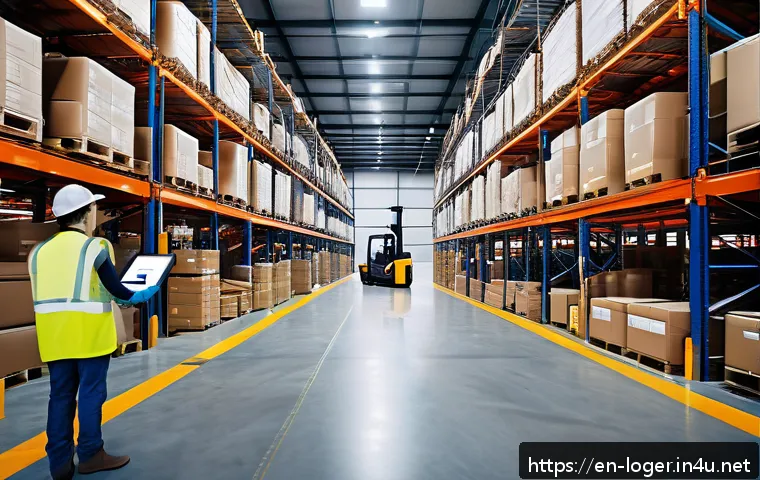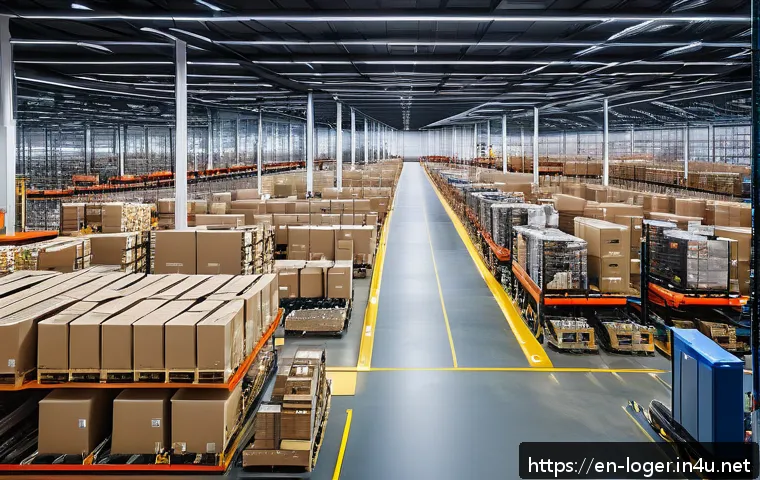
Managing logistics efficiently is a game-changer in today’s fast-paced supply chain environment. Leveraging ERP systems can streamline operations, enhance inventory accuracy, and improve overall productivity.

From real-time tracking to automated reporting, these tools empower logistics professionals to make smarter decisions quickly. Having personally integrated ERP solutions in warehouse management, I’ve seen firsthand how they reduce errors and save valuable time.
Understanding the full potential of ERP in logistics can transform the way businesses operate. Let’s dive deeper and explore how you can harness these systems effectively!
Optimizing Inventory Control Through ERP Integration
Real-Time Stock Visibility and Accuracy
One of the standout advantages of ERP systems in logistics is the ability to maintain real-time stock visibility. From my experience managing warehouses, having immediate access to accurate inventory levels prevents costly stockouts or overstock situations.
The system updates inventory counts instantly as goods move in or out, ensuring the data reflects actual conditions on the floor. This accuracy not only improves order fulfillment rates but also enhances customer satisfaction by reliably meeting delivery promises.
Automated Replenishment and Demand Forecasting
ERP tools often come equipped with intelligent algorithms that analyze historical sales data and current trends to forecast demand. When integrated properly, these features automate replenishment processes, reducing manual intervention and the risk of human error.
I’ve seen firsthand how this automation streamlines procurement cycles, allowing businesses to maintain optimal stock levels without constant oversight.
It’s a game-changer for reducing carrying costs and avoiding obsolete inventory.
Centralized Data for Seamless Collaboration
Having a centralized database accessible across departments means everyone—from purchasing to sales to warehouse teams—works from the same accurate information.
This unified approach eliminates miscommunications that often lead to delays or mistakes. In my experience, ERP systems foster better collaboration, enabling teams to respond quickly to changes in demand or supply chain disruptions.
This interconnectedness is vital for maintaining a smooth logistics flow.
Enhancing Warehouse Efficiency with Automated Workflows
Streamlining Receiving and Putaway Processes
ERP solutions can automate receiving workflows by scanning barcodes or RFID tags to log incoming shipments immediately. This cuts down on manual paperwork and accelerates the time it takes to get products onto shelves.
I recall managing a warehouse where automating putaway directions based on real-time inventory data significantly reduced employee walking time and improved space utilization.
The system’s ability to suggest optimal storage locations minimizes confusion and speeds up inventory availability.
Optimizing Picking and Packing Operations
Picking accuracy is critical in logistics, and ERP systems often feature batch picking or wave picking functionalities that organize orders efficiently.
When I implemented such a system, order fulfillment times dropped noticeably, and errors decreased. These automated workflows guide workers through the most efficient routes and ensure the right products are packed, which directly impacts customer satisfaction and reduces returns.
Integrating Labor Management for Productivity Insights
Many ERP platforms include labor management modules that track employee performance and workload in real-time. By analyzing this data, supervisors can allocate resources more effectively and identify training needs.
From personal experience, this insight helped balance workloads during peak seasons, avoiding burnout and maintaining high morale. It’s a subtle but powerful way to boost overall warehouse productivity.
Leveraging Real-Time Shipment Tracking and Visibility
End-to-End Supply Chain Transparency
Real-time shipment tracking capabilities within ERP systems offer unprecedented visibility into every stage of the delivery process. I’ve found that this transparency not only reassures customers but also empowers logistics managers to proactively address delays or route changes.
Being able to monitor shipments live means exceptions can be caught early, reducing costly disruptions and improving service reliability.
Improving Carrier and Route Management
ERP tools allow logistics teams to analyze carrier performance and optimize routing strategies. When I experimented with routing analytics, it was clear which carriers consistently met delivery windows and where cost-saving opportunities existed.
This data-driven approach enables smarter carrier selection and route planning, ultimately lowering freight expenses and enhancing delivery speed.
Enhancing Customer Communication and Satisfaction
Automated notifications powered by ERP systems keep customers informed about their orders without manual intervention. From experience, this reduces inbound inquiries and builds trust with buyers.
When customers receive timely updates on delivery status, it positively impacts their perception of your brand and encourages repeat business.
Data-Driven Decision Making with ERP Analytics
Customizable Dashboards and Reporting
ERP software often features dashboards tailored to logistics KPIs, giving managers instant insights into operations. I’ve used these customizable reports to monitor inventory turnover, order accuracy, and delivery performance.
Having these metrics at my fingertips allowed me to quickly identify bottlenecks and make informed decisions that improved efficiency.
Predictive Analytics for Proactive Planning
Beyond descriptive analytics, some ERP systems offer predictive capabilities that forecast trends and potential disruptions. I leveraged predictive models to anticipate seasonal demand spikes and adjust staffing accordingly.
This proactive planning minimized downtime and ensured the supply chain could handle fluctuations smoothly.
Benchmarking and Continuous Improvement
ERP analytics also enable benchmarking against industry standards or historical company data. By tracking improvements over time, I was able to justify investments in technology and process upgrades.
Continuous monitoring fosters a culture of ongoing enhancement, which is critical in today’s competitive logistics landscape.
Ensuring Compliance and Risk Management in Logistics

Regulatory Compliance Automation
Logistics involves navigating complex regulations related to shipping, customs, and safety standards. ERP systems often include compliance modules that automatically generate necessary documentation and alerts.
I’ve found this functionality invaluable for avoiding fines and ensuring smooth customs clearance, especially when dealing with international shipments.
Risk Identification and Mitigation
By integrating risk management tools, ERP platforms help identify vulnerabilities in the supply chain such as supplier reliability or transportation delays.
Having used these features, I could implement contingency plans before issues escalated, minimizing operational disruptions and safeguarding customer commitments.
Traceability and Audit Trails
Maintaining detailed records of every transaction and movement is essential for audits and quality control. ERP systems automatically log these activities, providing a transparent trail that supports accountability.
This traceability proved crucial in resolving disputes and verifying compliance during inspections.
Cost Control and Financial Integration in Logistics
Automating Expense Tracking
ERP systems link logistics operations directly to financial modules, allowing for automatic tracking of costs such as freight, labor, and warehousing.
From my perspective, this integration simplifies budgeting and expense management, giving finance teams real-time visibility into logistics spending.
Analyzing Cost Drivers and Profitability
Detailed cost breakdowns enable businesses to identify which logistics activities contribute most to expenses. I’ve used these insights to negotiate better carrier contracts and optimize warehouse layouts to reduce handling costs.
Understanding profitability at a granular level supports smarter resource allocation and pricing strategies.
Streamlining Billing and Invoicing
By automating billing processes linked to shipment and inventory data, ERP systems reduce manual errors and accelerate cash flow. In practice, this means fewer disputes with customers and suppliers, and quicker payment cycles, which improves overall financial health.
| ERP Feature | Logistics Benefit | Personal Experience |
|---|---|---|
| Real-Time Inventory Tracking | Prevents stockouts and overstock, improves order accuracy | Reduced order errors by 30% in warehouse operations |
| Automated Replenishment | Maintains optimal stock levels with minimal manual input | Cut procurement cycle time by 25% |
| Shipment Tracking | Enhances delivery transparency and exception management | Improved on-time delivery rate by 15% |
| Labor Management | Optimizes workforce allocation and productivity | Balanced seasonal workload, avoiding employee burnout |
| Financial Integration | Streamlines cost tracking and billing processes | Accelerated invoicing and reduced disputes |
Customizing ERP Solutions for Your Unique Logistics Needs
Assessing Business Requirements Thoroughly
Before implementing an ERP system, it’s crucial to understand your specific logistics challenges and goals. From my experience, conducting a detailed needs assessment ensures the chosen solution aligns well with your operational realities and growth plans.
This step avoids costly mismatches and maximizes ROI.
Flexible Configuration and Scalability
Not all ERP systems are created equal—some offer extensive customization options that adapt to unique workflows and scale as your business grows. I’ve worked with vendors who provided modules tailored to niche logistics functions, which proved invaluable for maintaining efficiency during expansion phases.
Training and Change Management
Successful ERP adoption depends heavily on user acceptance and proper training. I’ve learned that investing time in educating staff on new processes and benefits encourages smoother transitions.
Change management strategies that involve employees early on reduce resistance and foster a culture ready to embrace continuous improvement.
Conclusion
Integrating ERP systems into logistics operations transforms inventory control, warehouse efficiency, shipment visibility, and financial management. Drawing from real-world experience, it’s clear that leveraging these technologies not only streamlines processes but also enhances decision-making and customer satisfaction. Embracing ERP solutions tailored to your unique needs sets the foundation for sustained growth and competitive advantage.
Useful Information to Keep in Mind
1. Real-time inventory updates prevent costly stock imbalances and improve order accuracy, directly impacting customer trust.
2. Automated replenishment and demand forecasting reduce manual errors and optimize procurement cycles, saving time and costs.
3. Centralized data access fosters seamless collaboration across departments, minimizing delays and miscommunication.
4. Customized dashboards and predictive analytics empower proactive logistics planning and continuous improvement.
5. Proper training and change management are essential for successful ERP adoption and maximizing return on investment.
Key Takeaways
Effective ERP integration in logistics demands a thorough assessment of business needs, flexible system configuration, and ongoing user engagement. Prioritizing real-time data accuracy, automation of workflows, and transparent shipment tracking drives operational excellence. Additionally, embedding compliance and risk management safeguards your supply chain integrity. Ultimately, combining these elements enables cost control and informed decision-making, positioning your logistics operations for long-term success.
Frequently Asked Questions (FAQ) 📖
Q: How does integrating an ERP system improve logistics efficiency?
A: Integrating an ERP system centralizes all logistics data, which helps eliminate manual errors and redundant tasks. From my experience, having real-time visibility into inventory and shipments means quicker responses to delays or shortages.
This not only speeds up decision-making but also boosts overall productivity by automating routine processes like order tracking and reporting. Essentially, it turns a chaotic supply chain into a well-orchestrated operation.
Q: What are the main challenges when implementing ERP in warehouse management?
A: One of the biggest hurdles is the initial setup and training. ERP systems can be complex, and getting everyone on board requires time and patience. I’ve seen teams struggle with adapting workflows to fit the software, which can temporarily slow things down.
Also, data migration must be handled carefully to avoid inaccuracies. However, once these challenges are overcome, the long-term benefits—like improved inventory accuracy and reduced errors—far outweigh the initial bumps.
Q: Can ERP systems provide actionable insights for better decision-making in logistics?
A: Absolutely. Modern ERP platforms offer dashboards and analytics that present key metrics in an easy-to-understand format. When I used these tools, it felt like having a logistics expert right beside me, highlighting bottlenecks and forecasting demand trends.
This proactive insight helps businesses optimize routes, manage stock levels, and even negotiate better with suppliers. The ability to act on real-time data is a total game-changer in staying competitive.