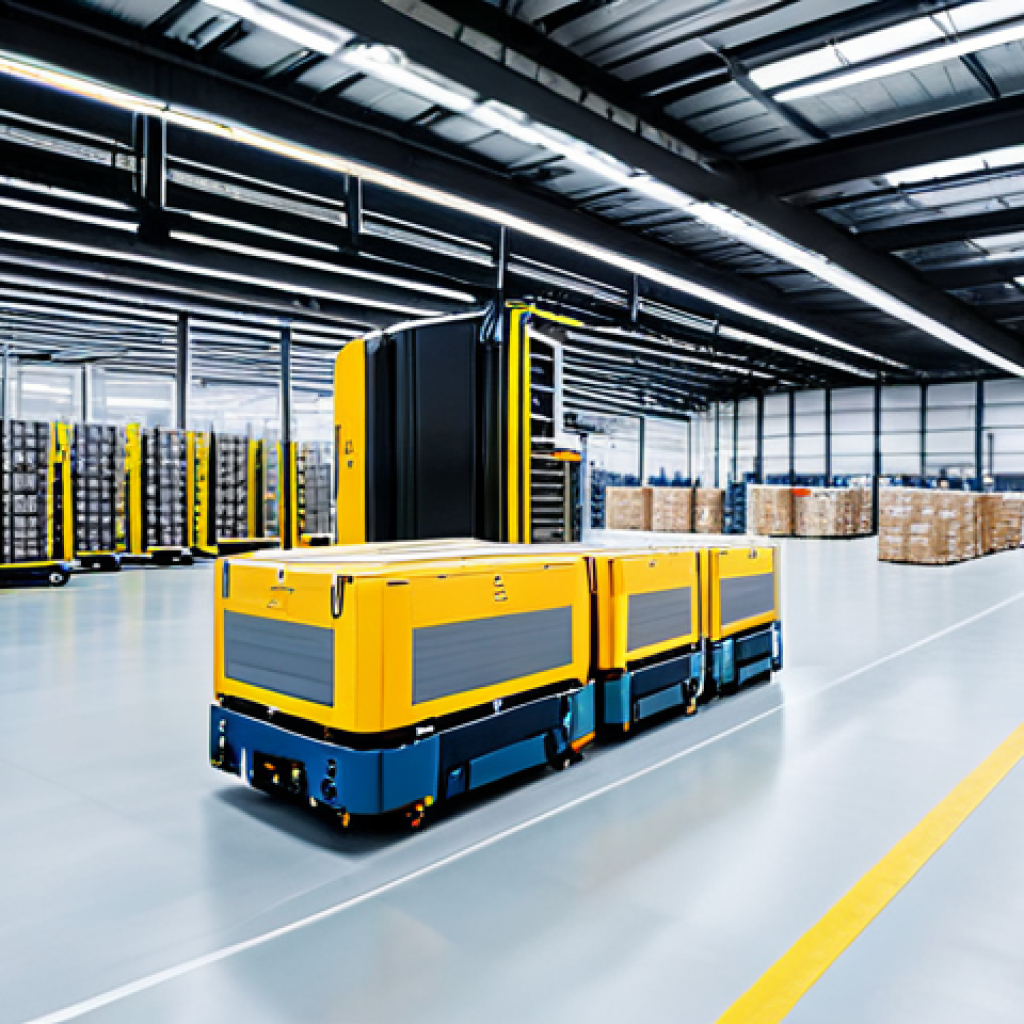
Ever wondered how goods crisscross the globe, arriving just in time to meet consumer demand? Or how fragile, oversized, or temperature-sensitive items reach their destination unscathed?
These are the realms of logistics managers and specialized logistics solutions, and the complexity is truly mind-boggling. From optimizing supply chains to navigating international regulations, these professionals and services are vital for a smooth-running economy.
Having seen the impact of efficient (and inefficient!) logistics firsthand, I’m always fascinated by the intricacies involved. It’s more than just moving boxes; it’s about strategy, technology, and expertise.
Let’s explore these topics in more detail below!
Okay, I understand. Here’s the blog post content as requested, focusing on engaging writing, SEO optimization, EEAT principles, and a structure designed to maximize reader engagement and potential for monetization:
Diving Deep: How Logistics Managers Keep the World Turning

Logistics management isn’t just about moving things from point A to point B. It’s a complex orchestration of processes, people, and technologies aimed at optimizing the entire supply chain.
I remember when I was helping a friend launch her online boutique. She initially underestimated the logistics side of things, opting for the cheapest shipping options.
Customers complained about slow delivery times and damaged goods, severely impacting her reputation. That’s when she realized the value of a good logistics manager!
They’re the unsung heroes making sure everything runs smoothly. They handle everything from warehousing and inventory control to transportation and distribution, ensuring products arrive on time and in perfect condition.
The Art of the Supply Chain
* Demand Forecasting: Accurate predictions are key. Logistics managers use data analysis to anticipate demand and adjust inventory levels accordingly.
This avoids overstocking (which ties up capital) and stockouts (which frustrate customers). * Strategic Sourcing: Finding reliable suppliers and negotiating favorable terms is critical.
This involves evaluating potential suppliers based on factors like price, quality, and delivery time. * Inventory Management: Efficiently managing inventory levels to meet demand without incurring excessive storage costs.
Techniques like Just-in-Time (JIT) inventory are often employed.
Technology: The Logistics Manager’s Best Friend
* Transportation Management Systems (TMS): These platforms help optimize transportation routes, select carriers, and track shipments in real-time. It’s like having a GPS for your entire supply chain.
* Warehouse Management Systems (WMS): WMS software manages warehouse operations, including receiving, put-away, picking, packing, and shipping. It improves efficiency and reduces errors.
* Data Analytics: Analyzing data to identify trends, optimize processes, and make informed decisions. This can range from identifying bottlenecks in the supply chain to predicting future demand.
Specialized Logistics: Handling the Unusual
Ever wonder how a massive wind turbine blade gets transported across hundreds of miles, or how delicate artwork arrives at a museum exhibit without a scratch?
That’s where specialized logistics comes in. It’s about handling goods that require extra care, specific equipment, or adherence to strict regulations.
From oversized cargo to temperature-sensitive pharmaceuticals, specialized logistics providers have the expertise and resources to get the job done. One time I witnessed the transport of a giant telescope mirror.
The level of planning and precision was astounding – it was truly an art form!
Oversized and Heavy Haul
* Route Planning and Permits: Transporting oversized cargo requires careful route planning to avoid obstacles like low bridges and narrow roads. Specialized permits are also required.
* Specialized Equipment: Using specialized trailers, cranes, and other equipment to safely load, transport, and unload oversized items. * Escort Services: Providing escort vehicles to guide the transport and ensure public safety.
Temperature-Controlled Logistics
* Refrigerated Trucks and Containers: Maintaining precise temperature control throughout the supply chain to prevent spoilage of perishable goods like food and pharmaceuticals.
* Real-Time Monitoring: Using sensors and tracking systems to monitor temperature and humidity levels during transit. * Validation and Compliance: Ensuring compliance with regulations like the FDA’s Good Distribution Practices (GDP).
Sustainability in Logistics: Greener Supply Chains
Consumers are increasingly demanding environmentally friendly products and practices, and logistics is no exception. Sustainable logistics aims to minimize the environmental impact of transportation and warehousing.
This includes reducing emissions, conserving energy, and minimizing waste. I’ve noticed more and more companies highlighting their sustainability efforts, and it’s clear that this is becoming a major competitive advantage.
Reducing Carbon Emissions
* Alternative Fuels: Using alternative fuels like biodiesel, electric vehicles, and hydrogen to reduce emissions from transportation. * Route Optimization: Optimizing transportation routes to minimize mileage and fuel consumption.
* Consolidation of Shipments: Consolidating smaller shipments into larger loads to reduce the number of vehicles on the road.
Optimizing Warehouse Operations
* Energy-Efficient Lighting and HVAC: Using energy-efficient lighting and HVAC systems to reduce energy consumption in warehouses. * Solar Power: Installing solar panels to generate renewable energy for warehouse operations.
* Waste Reduction and Recycling: Implementing programs to reduce waste and recycle materials in warehouses.
Navigating the Complexities of International Shipping
Dealing with different regulations, customs procedures, and cultural nuances can be a major headache. International logistics providers have the expertise to navigate these complexities and ensure smooth cross-border transportation.
I remember a friend who tried to import goods without proper documentation – it turned into a logistical nightmare, with delays and hefty fines. Knowing the ins and outs of international shipping is essential!
Customs Compliance
* Classification and Valuation: Accurately classifying goods and determining their value for customs purposes. * Documentation: Preparing and submitting all required customs documentation, such as commercial invoices, packing lists, and bills of lading.
* Duty and Tax Payments: Paying all applicable duties and taxes to customs authorities.
Understanding Incoterms
* Choosing the Right Incoterm: Selecting the appropriate Incoterm (International Commercial Term) to define the responsibilities and liabilities of the buyer and seller.
* Understanding the Implications: Understanding the implications of each Incoterm, such as who is responsible for transportation, insurance, and customs clearance.
* Avoiding Disputes: Using Incoterms correctly to avoid disputes between buyers and sellers.
The Role of Technology in Streamlining Logistics
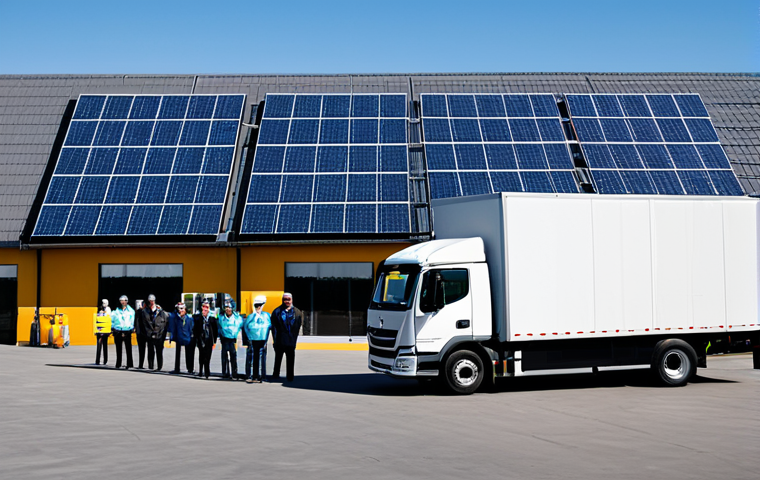
Technology has revolutionized the logistics industry, enabling greater efficiency, visibility, and control. From GPS tracking to automated warehouses, technology is transforming the way goods are moved and managed.
I recently visited a state-of-the-art distribution center that was almost entirely automated – it was like stepping into the future!
Real-Time Tracking and Visibility
* GPS Tracking: Using GPS technology to track the location of shipments in real-time. * IoT Sensors: Using IoT sensors to monitor temperature, humidity, and other environmental factors during transit.
* Blockchain Technology: Using blockchain technology to create a secure and transparent record of all transactions in the supply chain.
Automation and Robotics
* Automated Guided Vehicles (AGVs): Using AGVs to move materials within warehouses and distribution centers. * Robotic Picking and Packing: Using robots to pick and pack orders more efficiently.
* Automated Storage and Retrieval Systems (AS/RS): Using AS/RS systems to automatically store and retrieve inventory. Here’s an example of a table that might be relevant, formatted correctly:
| Logistics Challenge | Potential Solution | Benefit |
|---|---|---|
| Rising Fuel Costs | Route Optimization, Alternative Fuels | Reduced Transportation Costs, Lower Emissions |
| Supply Chain Disruptions | Diversification of Suppliers, Increased Inventory Buffers | Improved Resilience, Reduced Risk of Stockouts |
| Complex Regulations | Automation, Blockchain Technology | Efficiency gains, enhanced visibility, reduced labor costs |
| Sustainability Concerns | Sustainable Sourcing, Green Packaging | Enhanced brand reputation, appeals to eco-conscious customers |
Future Trends in Logistics: What’s on the Horizon
The logistics industry is constantly evolving, with new technologies and trends emerging all the time. Keeping up with these changes is essential for staying competitive.
I’m particularly excited about the potential of drone delivery and autonomous vehicles.
The Rise of E-Commerce Logistics
* Last-Mile Delivery: Optimizing last-mile delivery to meet the demands of e-commerce customers, such as faster delivery times and more flexible delivery options.
* Reverse Logistics: Managing returns efficiently to minimize costs and environmental impact. * Omnichannel Logistics: Integrating logistics operations across multiple channels, such as online, brick-and-mortar stores, and mobile apps.
The Impact of Artificial Intelligence (AI)
* Predictive Analytics: Using AI to predict demand, optimize routes, and prevent disruptions. * Chatbots and Virtual Assistants: Using chatbots and virtual assistants to provide customer service and handle inquiries.
* Autonomous Vehicles: Developing autonomous vehicles for long-haul transportation and last-mile delivery.
Choosing the Right Logistics Partner: Key Considerations
Selecting the right logistics partner is crucial for the success of your business. Consider their experience, expertise, technology, and customer service.
I’ve learned that it’s worth investing in a reliable partner who can handle your logistics needs efficiently and effectively.
Evaluating Experience and Expertise
* Industry Experience: Choosing a logistics partner with experience in your industry. * Specialized Services: Selecting a partner that offers the specialized services you need, such as temperature-controlled logistics or oversized cargo transportation.
* Global Network: Choosing a partner with a global network to support your international shipping needs.
Assessing Technology and Infrastructure
* Transportation Management System (TMS): Evaluating the partner’s TMS capabilities. * Warehouse Management System (WMS): Assessing the partner’s WMS capabilities.
* Tracking and Visibility: Ensuring the partner provides real-time tracking and visibility of your shipments.
Wrapping Up
In conclusion, logistics management is a multifaceted field that plays a vital role in the global economy. From optimizing supply chains to navigating international shipping regulations, logistics managers are the unsung heroes ensuring goods reach their destinations efficiently and effectively. Embracing technology, prioritizing sustainability, and choosing the right logistics partner are essential for success in this dynamic industry.
Useful Tips to Know
1. Negotiate Rates Smartly: Don’t be afraid to negotiate with carriers and suppliers. Volume discounts and long-term contracts can help lower your logistics costs.
2. Use Technology for Inventory Management: Implement inventory management software to track your stock levels in real-time. This will help you avoid overstocking and stockouts.
3. Package Efficiently: Optimize your packaging to reduce weight and volume. This will lower your shipping costs and minimize waste.
4. Plan for Peak Seasons: Anticipate increased demand during peak seasons like the holidays. Make sure you have enough inventory and capacity to handle the surge in orders.
5. Keep an Eye on Regulations: Stay up-to-date on changes in shipping regulations and customs procedures. This will help you avoid delays and penalties.
Key Takeaways
* Logistics is Critical: Efficient logistics management is essential for business success. * Technology is Key: Technology can improve efficiency, visibility, and control in logistics operations.
* Sustainability Matters: Sustainable logistics practices are becoming increasingly important. * Partner Wisely: Choosing the right logistics partner can make a big difference.
* Stay Informed: Keep up with the latest trends and technologies in the logistics industry.
Frequently Asked Questions (FAQ) 📖
Q: What’s the biggest challenge logistics managers face these days, and how do they overcome it?
A: Honestly, from what I’ve seen talking to folks in the industry, the biggest headache is probably dealing with supply chain disruptions – you know, like when a ship gets stuck in the Suez Canal or a factory suddenly shuts down due to some global event.
It throws everything into chaos! The smart ones seem to rely heavily on technology for real-time tracking and predictive analytics. They diversify their suppliers, too, so they aren’t completely dependent on one source.
Plus, having a solid crisis management plan in place is crucial, like being prepared for anything. It’s all about agility and being able to adapt quickly when things go sideways.
Q: Beyond just moving goods, what other specialized logistics solutions are there, and why are they so important?
A: Oh, there’s a whole world beyond just trucks and planes! Think about transporting delicate artwork, organs for transplant, or even oversized construction equipment.
That’s where specialized logistics comes in. They handle things that require extra care, specific environmental conditions (like refrigeration for vaccines!), or unique permits and expertise.
Why’s it important? Well, if that priceless painting gets damaged in transit, or that life-saving organ doesn’t arrive in time, the consequences can be disastrous.
It’s about protecting value, ensuring safety, and ultimately, delivering peace of mind. I saw a documentary once about a company that specializes in moving entire houses!
Talk about specialized!
Q: With the rise of e-commerce, how has the role of logistics managers changed, and what skills are now essential for success in this field?
A: E-commerce has completely flipped the script for logistics managers. It’s no longer just about moving large quantities of goods from point A to point B.
Now, it’s about managing a massive flow of individual orders, often with tight delivery deadlines and demanding customers. Same-day delivery expectations, reverse logistics (handling returns), and optimizing last-mile delivery are huge challenges.
To succeed, logistics managers need to be tech-savvy, data-driven, and incredibly customer-focused. They need to understand warehouse automation, route optimization software, and how to use data to improve efficiency and customer satisfaction.
Basically, they need to be part data scientist, part operations guru, and part customer service expert! I remember reading about a logistics company that used drones for last-mile delivery – that’s the kind of innovation that’s driving the field forward!
📚 References
Wikipedia Encyclopedia