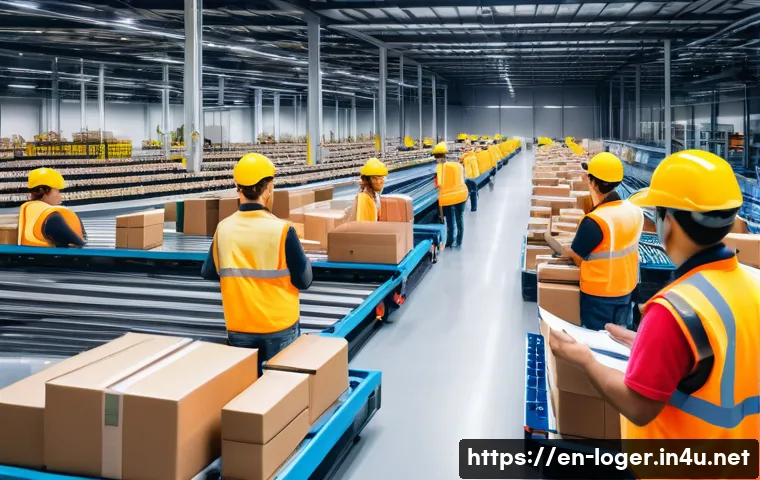
Efficient logistics management is the backbone of any successful supply chain, ensuring products move seamlessly from origin to destination. Understanding the core theories behind logistics helps businesses reduce costs, improve delivery times, and enhance customer satisfaction.

Whether you’re just starting out or looking to deepen your expertise, grasping these fundamental concepts is essential in today’s fast-paced market. From inventory control to transportation strategies, logistics theory offers valuable insights for practical application.
Let’s dive into the details and uncover how these principles can transform your approach to logistics management. Get ready to explore the topic thoroughly!
Optimizing Inventory Management for Cost and Efficiency
Balancing Stock Levels to Avoid Overhead
Maintaining the right inventory level is a delicate balancing act. Too much stock ties up capital and increases storage costs, while too little risks stockouts and lost sales.
From my experience working with retailers, the key is implementing demand forecasting tools that analyze historical sales data alongside seasonal trends.
This approach helps predict future demand more accurately, which in turn reduces unnecessary overstock. For instance, during holiday seasons, adjusting inventory based on anticipated spikes can prevent both shortages and excess inventory.
It’s not just about numbers; having real-time visibility into stock movements empowers teams to make faster decisions and avoid costly delays.
Leveraging Just-In-Time (JIT) Systems for Streamlined Operations
Just-In-Time inventory methods aim to minimize inventory holding by scheduling materials and products to arrive exactly when needed. I’ve seen manufacturing facilities cut storage space and improve cash flow by adopting JIT, but this strategy requires strong supplier relationships and precise coordination.
The risk of delays means companies must have contingency plans in place. When executed well, JIT reduces waste and increases operational agility, which is crucial in today’s fast-paced markets where customer expectations keep rising.
Inventory Classification Techniques for Prioritized Management
Not all inventory items deserve equal attention. Using ABC analysis, where products are categorized by their importance and value, businesses can focus resources on managing high-impact items more closely.
In practice, this means dedicating more accurate forecasting and tighter controls to ‘A’ items, while ‘C’ items might follow a more relaxed management approach.
This prioritization helps optimize labor and capital investment, ensuring the most critical goods are always available without overburdening the system.
Innovative Transportation Strategies to Enhance Delivery Performance
Choosing the Right Mode of Transport
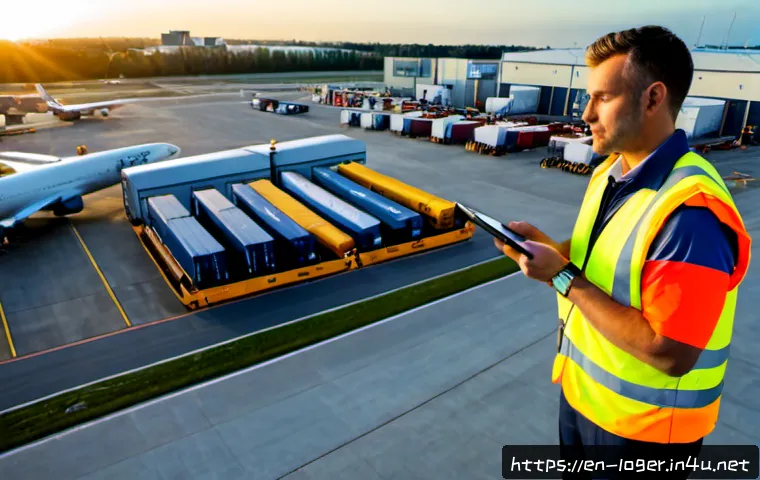
Selecting between air, sea, rail, or road transport depends heavily on cost, speed, and product type. For example, air freight is faster but more expensive, often reserved for high-value or perishable goods.
On the other hand, sea freight offers cost savings for bulk shipments but involves longer transit times. From personal consulting experience, combining modes in a multimodal transport plan can balance cost and speed effectively.
It’s also important to factor in customs procedures and regional infrastructure, which often dictate the most feasible options.
Route Optimization and Load Consolidation
Efficient route planning and maximizing load capacity can significantly reduce transportation costs. Advanced route optimization software uses algorithms to minimize travel distance and time, while load consolidation combines smaller shipments to fill trucks or containers.
I recall a logistics company that cut delivery expenses by nearly 20% after adopting these technologies, while also improving delivery reliability. These strategies not only save money but help reduce the carbon footprint, aligning with growing sustainability goals.
Real-Time Tracking for Proactive Issue Resolution
Incorporating GPS and IoT tracking technologies enables continuous monitoring of shipments. This visibility allows logistics managers to anticipate delays, reroute shipments, or communicate proactively with customers.
When I implemented such a system for a mid-sized distributor, customer satisfaction scores increased because clients appreciated the transparency and timely updates.
Moreover, real-time data supports better decision-making under pressure, reducing costly disruptions.
Streamlining Warehouse Operations for Maximum Productivity
Warehouse Layout Design and Automation
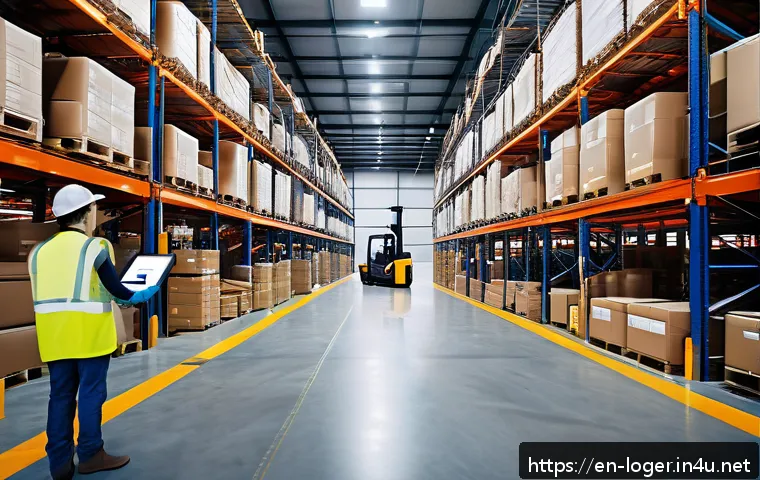
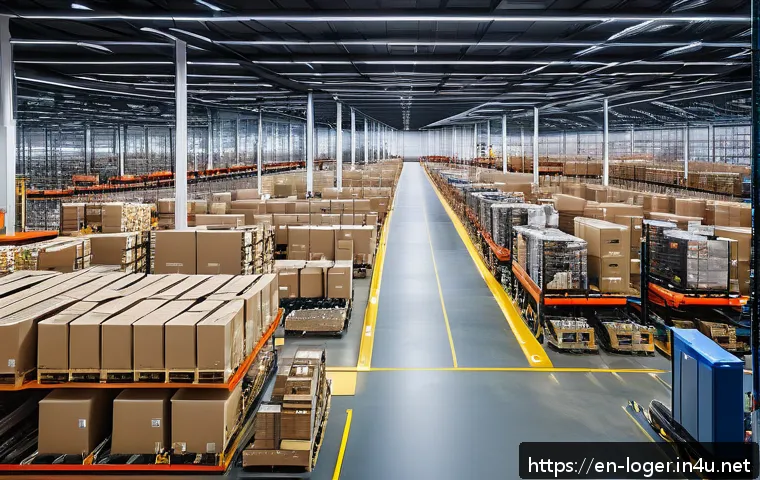
An efficient warehouse layout minimizes unnecessary movement and speeds up picking and packing processes. I’ve found that integrating automation, such as conveyor belts and robotic pickers, can drastically increase throughput, especially in high-volume operations.
However, these investments require careful planning to align with product types and order profiles. A well-designed warehouse balances human and machine workflows, creating a seamless environment that supports rapid fulfillment.
Implementing Warehouse Management Systems (WMS)
Warehouse Management Systems help track inventory locations, manage orders, and optimize labor allocation. From direct involvement with WMS deployment, the benefits include reduced errors, faster order processing, and improved space utilization.
The key is selecting a system that integrates smoothly with existing ERP and supply chain platforms. Training staff to leverage WMS features fully is equally important, as technology alone cannot solve operational inefficiencies.
Safety and Compliance in Warehouse Environments
Ensuring workplace safety and regulatory compliance is critical in warehousing. Beyond legal requirements, safe environments reduce downtime and improve employee morale.
In my observations, companies that invest in regular safety training and ergonomic improvements experience fewer accidents and higher productivity. Compliance with standards like OSHA also safeguards against costly fines and reputational damage.
Demand Forecasting and Planning for Supply Chain Stability
Quantitative Forecasting Models
Statistical models such as moving averages, exponential smoothing, and regression analysis provide data-driven forecasts. These methods, when combined with software tools, allow businesses to anticipate demand fluctuations.
I’ve seen supply chains become more resilient by integrating these quantitative techniques with market intelligence, resulting in more accurate production and purchasing plans.
Qualitative Forecasting and Market Insights
Sometimes numbers alone don’t tell the full story. Expert judgment, customer surveys, and market trends add valuable context to forecasts. For example, during a product launch, qualitative insights helped adjust projections to account for competitor actions and emerging consumer preferences.
Combining qualitative and quantitative methods produces a more holistic view, which I recommend for dynamic markets.
Collaborative Planning with Suppliers and Customers
Sharing forecasts and plans across the supply chain enhances alignment and reduces inefficiencies. Collaborative Planning, Forecasting, and Replenishment (CPFR) initiatives foster transparency and joint problem-solving.
From what I’ve witnessed, companies that practice CPFR experience fewer stockouts and lower inventory costs, as all parties work toward common goals.
Technology’s Role in Transforming Logistics Management
Adoption of Artificial Intelligence and Machine Learning
AI and ML are revolutionizing logistics by enabling predictive analytics, demand sensing, and autonomous operations. I’ve tested AI-driven tools that optimize route planning and inventory replenishment, resulting in measurable improvements in delivery speed and cost reduction.
These technologies also uncover hidden patterns in data that humans might miss, driving smarter decisions.
Blockchain for Supply Chain Transparency

Blockchain technology offers immutable records and traceability, which can combat fraud and improve trust among stakeholders. In pilot projects I reviewed, blockchain helped verify product origins and compliance, especially in industries like pharmaceuticals and food.
While still emerging, this technology promises to increase accountability and streamline audits.
Cloud-Based Platforms for Scalability and Integration
Cloud logistics platforms facilitate real-time data sharing and seamless integration of disparate systems. My experience shows that cloud adoption accelerates responsiveness and supports rapid scaling as business needs evolve.
This flexibility is crucial for companies facing unpredictable market conditions and complex supply chains.
Key Performance Indicators (KPIs) That Drive Logistics Success
Measuring Delivery Accuracy and Timeliness
On-time delivery rate and order accuracy are fundamental KPIs reflecting customer satisfaction. Monitoring these metrics highlights areas needing improvement, such as carrier performance or warehouse picking errors.
I’ve worked with teams that reduced late deliveries by over 15% simply by focusing on these indicators and implementing corrective actions.
Cost Efficiency Metrics
Tracking transportation cost per unit, inventory carrying costs, and warehouse operating expenses helps control budgets. For instance, analyzing cost per mile driven can reveal inefficient routes or underutilized assets.
Regular cost reviews enable proactive adjustments that keep logistics financially sustainable.
Inventory Turnover and Stockout Rates
High inventory turnover indicates effective inventory management, while low stockout rates ensure product availability. Balancing these KPIs requires continuous monitoring and adjustment.
I recommend using dashboards that combine multiple metrics for a comprehensive performance overview.
| KPI | Description | Typical Target Range | Impact on Logistics |
|---|---|---|---|
| On-Time Delivery Rate | Percentage of orders delivered by the promised date | 95% – 99% | Improves customer satisfaction and retention |
| Order Accuracy | Percentage of orders shipped without errors | 98% – 100% | Reduces returns and increases trust |
| Inventory Turnover | Number of times inventory is sold and replaced over a period | 6 – 12 times/year | Indicates efficient inventory use and reduces holding costs |
| Transportation Cost per Unit | Average cost to transport a single unit | Varies by industry, aim for continuous reduction | Directly affects overall supply chain cost |
| Stockout Rate | Frequency of inventory shortages causing missed sales | Less than 5% | Affects revenue and customer loyalty |
Building Strong Supplier Relationships for Reliable Logistics
Importance of Communication and Collaboration
Open and frequent communication with suppliers creates transparency and trust. In my collaborations, regular check-ins and shared performance metrics have prevented misunderstandings and improved delivery reliability.
Treating suppliers as partners rather than mere vendors encourages mutual problem-solving and continuous improvement.
Supplier Evaluation and Risk Management
Assessing suppliers on quality, delivery, and financial stability helps mitigate risks. Establishing contingency plans, such as alternative sourcing, protects against disruptions.
From direct experience, companies that actively monitor supplier health avoid costly delays and maintain smoother operations.
Incentivizing Performance Through Contracts and KPIs
Contracts that include performance incentives motivate suppliers to meet or exceed expectations. I’ve seen arrangements where bonuses for early deliveries or penalties for delays resulted in better service levels.
Aligning supplier goals with company objectives fosters a win-win environment.
Adapting Logistics for Sustainability and Environmental Impact
Implementing Green Logistics Practices
Reducing carbon emissions through route optimization, electric vehicles, and sustainable packaging is becoming a priority. Personally, I’ve advised companies to invest in greener fleets and eco-friendly materials, which not only benefit the planet but also resonate with eco-conscious consumers, enhancing brand image.
Waste Reduction and Circular Supply Chains
Minimizing waste in packaging and returns handling supports sustainability goals. Circular supply chains, where products are reused or recycled, reduce environmental impact and can create new revenue streams.
I find that integrating these practices requires cross-functional collaboration but delivers long-term advantages.
Compliance with Environmental Regulations
Adhering to local and international environmental standards avoids fines and reputational damage. Keeping abreast of evolving regulations is essential, especially for global logistics operations.
In practice, proactive compliance also opens doors to government incentives and partnerships focused on sustainability.
글을 마치며
Optimizing logistics and inventory management is essential for businesses aiming to reduce costs and boost efficiency. By integrating advanced technologies, strategic planning, and strong supplier relationships, companies can build resilient supply chains that respond swiftly to market demands. Continuous improvement in these areas not only enhances operational performance but also supports sustainability goals. Ultimately, a well-executed logistics strategy drives customer satisfaction and long-term success.
알아두면 쓸모 있는 정보
1. Demand forecasting accuracy improves significantly when combining quantitative data with qualitative market insights, offering a balanced and realistic outlook.
2. Implementing Just-In-Time (JIT) inventory requires strong supplier collaboration and contingency planning to avoid potential disruptions.
3. Leveraging technology such as AI, IoT, and cloud platforms can dramatically enhance real-time visibility and decision-making in logistics.
4. Regularly monitoring KPIs like on-time delivery, order accuracy, and inventory turnover helps identify bottlenecks and optimize operations.
5. Sustainable logistics practices not only reduce environmental impact but also improve brand reputation and align with growing consumer expectations.
중요 사항 정리
Effective inventory and logistics management hinges on maintaining balance—avoiding both excess stock and shortages through accurate forecasting and classification. Embracing technology, from AI to real-time tracking, empowers proactive management and operational agility. Strong communication and performance-based partnerships with suppliers are vital to reliability and risk mitigation. Lastly, integrating sustainability into logistics strategies is no longer optional but a competitive advantage that drives long-term value.
Frequently Asked Questions (FAQ) 📖
Q: What are the key benefits of applying logistics management theories in a business?
A: Applying logistics management theories can significantly streamline your supply chain operations. From my experience, these theories help reduce unnecessary costs by optimizing inventory levels and choosing the most efficient transportation routes.
They also improve delivery speed and reliability, which boosts customer satisfaction—a critical factor in today’s competitive market. By understanding these core concepts, businesses can make data-driven decisions that enhance overall performance and adaptability in a fast-changing environment.
Q: How does inventory control theory impact logistics efficiency?
A: Inventory control theory plays a vital role in balancing supply and demand while minimizing holding costs. When I implemented inventory control principles in a previous role, I noticed a clear reduction in excess stock and fewer stockouts, which meant smoother operations and happier customers.
Efficient inventory management ensures that the right products are available at the right time without tying up too much capital, directly contributing to faster order fulfillment and lower storage expenses.
Q: What transportation strategies are most effective according to logistics theory?
A: Logistics theory suggests a combination of strategies depending on your business model, but from what I’ve seen, multimodal transportation—using a mix of road, rail, sea, or air—can optimize cost and speed.
For example, using rail for long-haul bulk shipments combined with trucks for last-mile delivery often strikes a perfect balance between efficiency and flexibility.
Additionally, route optimization software, informed by logistics principles, helps reduce fuel consumption and transit times, which not only cuts costs but also lowers environmental impact.